Can You Compost Popcorn? Quick Guide to Recycling Movie Night Leftovers
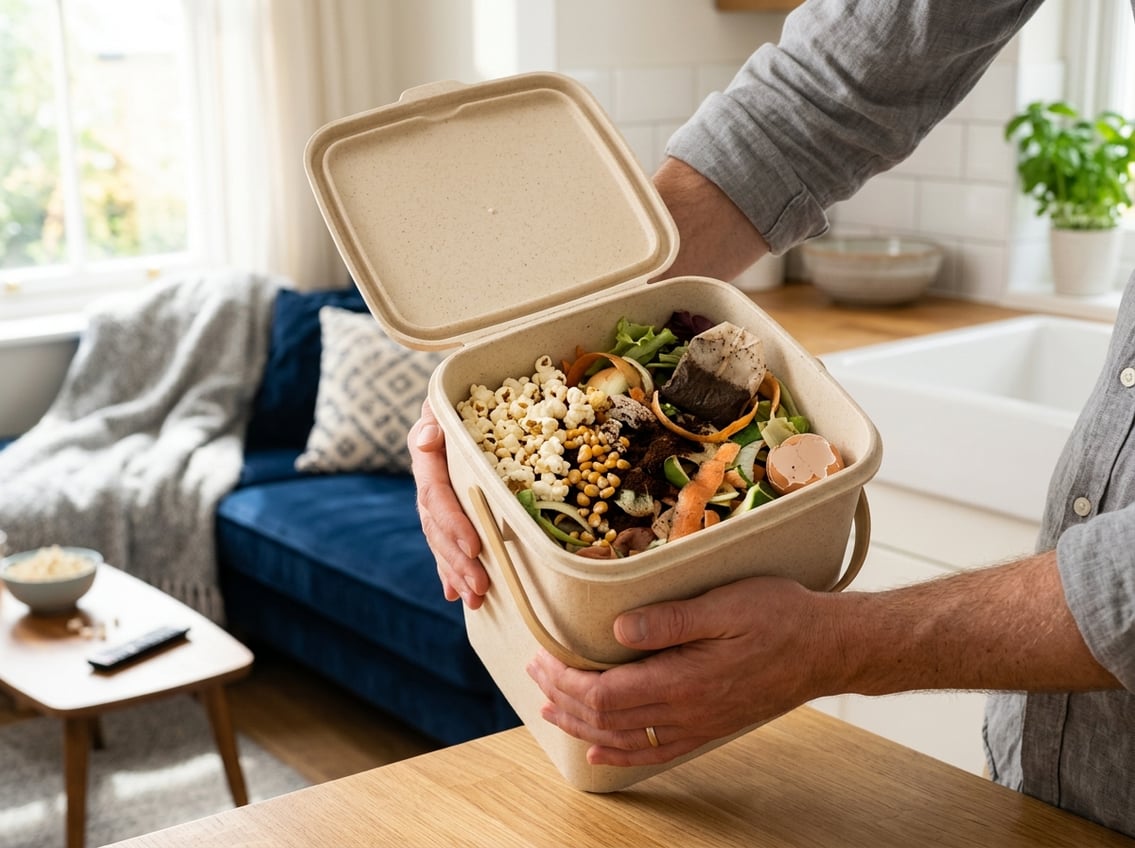
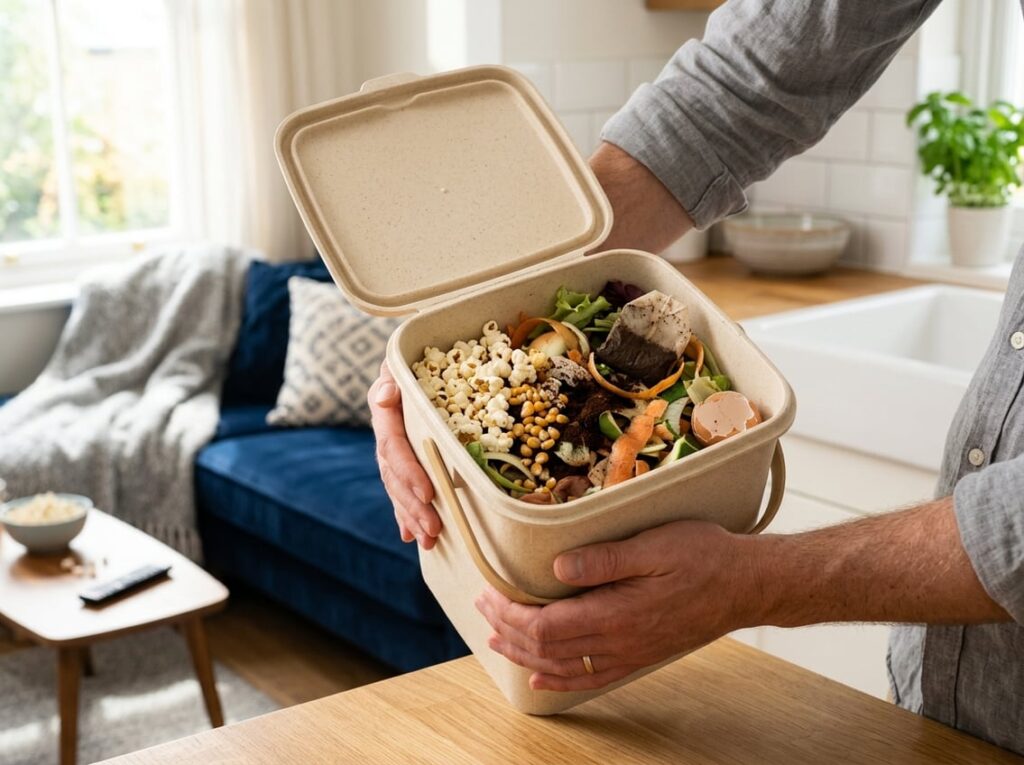
Yep, you can compost popcorn. Both popped and unpopped kernels break down in your compost and add a nice dose of carbon.
Plain, air-popped popcorn is your best bet for composting. Popcorn with butter, oils, or salt tends to attract pests and can slow things down, so it’s best to skip those.
Popped popcorn breaks down in 2 to 4 weeks because it’s so light and airy. Unpopped kernels are denser, so they take a bit longer.
When you toss popcorn in your compost, balance it out with nitrogen-rich stuff like veggie scraps or grass clippings. This keeps your pile from drying out.
You can compost a bunch of popcorn types:
- Fresh leftover popcorn
- Stale popcorn
- Burnt popcorn (just bury it deep so it doesn’t stink)
- Moldy popcorn
- Unpopped kernels
Popcorn is a carbon-rich “brown” material, kind of like dried leaves or cardboard.
Is Popcorn Compostable? The Quick 30-Second Answer
Yes, you can compost popcorn. Plain popcorn breaks down in 2-4 weeks and adds valuable carbon to your compost.
Buttered and flavored popcorns need a little extra care, but you can still compost them. Microwave popcorn bags are a different story—most contain PFAS chemicals, so keep those out of your compost.
Unpopped kernels take longer to decompose—think 3-6 months—but they won’t hurt your compost.
Quick Reference Guide: Popcorn Composting Basics
| Material | Carbon/Nitrogen Ratio | Benefits | Challenges |
|---|---|---|---|
| Plain popcorn | 30:1 (carbon-rich) | Fast decomposition, absorbs moisture, adds volume | None significant |
| Buttered popcorn | 25:1 (more nitrogen) | Still biodegradable | Can turn rancid, attract pests |
| Flavored popcorn | Varies by additives | Usable in limited quantities | Salt content may harm microbes |
| Unpopped kernels | 30:1 (carbon-rich) | Eventually breaks down | Takes 3-6 months longer |
5 Types of Popcorn You Can Compost (And What to Watch For)
Different types of popcorn break down at different rates in your compost. Knowing how each kind acts helps you avoid headaches and keep your compost healthy.
1. Air-popped Plain Popcorn
Air-popped popcorn is hands-down the easiest to compost. With nothing added, it decomposes in just 2-4 weeks and adds carbon to your pile.
The light, fluffy texture helps aerate your compost and gets microbes working faster. If you want to speed things up, crush big pieces before tossing them in.
2. Oil-popped Stovetop Popcorn
You can compost oil-popped popcorn, but it takes a week or two longer than air-popped. Oil bumps up the nitrogen a bit.
Coconut oil-popped popcorn usually breaks down a bit faster than other oils. If you see dry, greasy pockets, break up the popcorn more before adding.
3. Buttered Popcorn
Buttered popcorn can go in the compost, but don’t overdo it. Keep it to about 5% of your compost to avoid bad smells and pests.
Butter adds nitrogen but can get stinky if there’s too much. Mix it well with browns like dried leaves or cardboard to keep things balanced.
4. Flavored Varieties
Cheese powder, caramel, and other flavorings make things trickier, but you can still compost them. These types usually take 6-8 weeks to break down because of preservatives.
High salt can hurt your compost microbes if you add too much. Try to keep flavored popcorn to less than 10% of your pile and mix it in well.
5. Cinema Popcorn
Movie theater popcorn is tough—it’s loaded with salt and butter-flavored oil. These slow decomposition and can mess with your compost’s microbes.
If you can, rinse off extra salt first. Add cinema popcorn to big, established compost piles where it’ll get diluted.
Why Microwave Popcorn Bags Are a Composting Problem
The popcorn itself is fine, but the bags are a headache for the environment. Around 90% of microwave popcorn bags have PFAS, those “forever chemicals” that just won’t break down.
These chemicals make the bags grease-resistant, but they stick around in soil for ages. If you compost them, they can leach into your garden, get absorbed by plants, or even end up in groundwater.
Microwave popcorn bags aren’t compostable. Toss them in the trash, not your compost.
How to Identify Truly Compostable Bags
Some companies now offer PFAS-free microwave popcorn. Look for packaging that says:
- “PFAS-free” or “No PFAS chemicals”
- “Compostable” (not just “biodegradable”)
- Certifications like BPI (Biodegradable Products Institute)
If the bag doesn’t say any of this, assume it’s not compostable.
3 Eco-friendly Alternatives Under $20
Instead of traditional microwave popcorn bags, check out these greener options:
| Alternative | Price Range | Key Benefits |
|---|---|---|
| Silicone Popcorn Poppers | $10-15 | Collapsible, reusable, and go right in the microwave—no waste |
| Stovetop Poppers | $15-20 | Classic, energy-efficient, and you control the oil |
| Brown Paper Bag Method | Under $1 | Just use a plain bag with 1/4 cup kernels, fold it twice, and microwave for 2-3 minutes |
All of these cut down on chemicals and waste, plus you get fresh popcorn.
How to Compost Popcorn in 3 Easy Steps (Ready in 2-3 Weeks)
1. Break It Down
Crushing big popcorn pieces helps them break down way faster—sometimes up to 50% quicker. More surface area means microbes can get to work.
Put your popcorn in a paper bag and crush it with your hands. For big batches, pulse it in a food processor.
Air-popped plain popcorn breaks down the fastest because it’s so light.
2. Balance Your Bin
Mix 1 part popcorn with about 3 parts brown materials. Good browns are dried leaves, shredded cardboard, or small wood chips.
This keeps your carbon-to-nitrogen ratio in check and stops popcorn from clumping. Popcorn is carbon-rich, so you need to pair it with nitrogen-rich stuff like food scraps or grass clippings.
Browns also create air pockets and help moisture spread.
3. Monitor Moisture
Popcorn soaks up extra moisture, which is handy if your bin is too wet. If things are dry, add a little water when you toss in a lot of popcorn.
Your compost should feel like a wrung-out sponge—damp, not dripping. If you add dry popcorn to a dry bin, give it a light mist as you mix it in.
Composting popcorn usually takes 2-4 weeks if you follow these steps.
Troubleshooting: Common Popcorn Composting Problems Solved
“My Compost Smells Like Butter”
If your compost smells like rancid butter, you probably added too much buttered popcorn. Dairy fats break down and get stinky fast.
To fix it, add more brown materials right away—dried leaves, shredded paper, or cardboard work well. Aim for at least 3 parts browns for every 1 part popcorn. Next time, go easier on the buttered stuff.
“Unpopped Kernels Aren’t Breaking Down”
You can compost popcorn kernels, but they’re tough. The hard shell keeps them from breaking down quickly.
You can wait 3-6 months for them to decompose, or sift them out when your compost is done and toss them back in for another round.
“Popcorn Is Attracting Pests”
Popcorn, especially buttered or flavored, can bring in rodents and critters. To keep them away, bury popcorn at least 4-6 inches deep.
Cover it with a thick layer of leaves or browns for extra smell protection.
“White Mold Appearing on Popcorn”
White fuzzy stuff on composting popcorn is just beneficial fungus. It’s actually good—it helps break down cellulose.
If it bothers you, just turn your pile to mix the moldy parts in. Otherwise, let it do its thing.
Can Worms Eat Popcorn? Vermicomposting Guide
Red wigglers can eat plain popcorn and turn it into worm castings in about a week. These worms are composting champs if you give them the right stuff.
Tips for Adding Popcorn to Your Worm Bin:
- Keep amounts small—about 10% of your worm bin food, max
- Pre-soak—moisten popcorn for 30 minutes to soften it up and speed things along
- Stick to plain popcorn—salt and butter aren’t good for worms and can mess with moisture
- Break it up—crushed popcorn is easier for worms to eat
Watch your worms after adding popcorn. If they ignore it, it might be too dry or have additives. Just take out any leftovers and compost them the regular way.
Knowing what your compost worms eat helps you keep your bin healthy. Plain, moistened, and crushed popcorn is fine in moderation.
Beyond Composting: 4 Sustainable Uses for Leftover Popcorn
Got leftover popcorn you don’t want to eat? You’ve got options besides composting. These ideas help cut waste and can be handy around the house or yard.
1. Wildlife Feeding
Offer plain, unsalted, and unbuttered popcorn to backyard birds or squirrels as an occasional treat. This is especially helpful in winter when food is scarce.
Don’t feed wildlife popcorn with:
- Salt
- Butter
- Oil
- Seasonings or flavors
Those extras can hurt animals. Keep portions small so critters don’t get hooked on people food.
2. Garden Mulch
Stale popcorn makes a lightweight mulch for your garden plants. Spread about 1 inch around your plants to protect them and add organic matter as it breaks down.
This works best in annual flower beds and veggie gardens, where popcorn has time to decompose before you plant again.
3. Biodegradable Packing Material
You can toss plain popcorn into your shipping boxes instead of styrofoam peanuts. It’s a zero-waste packing trick, and the recipient can just compost the popcorn after unpacking.
Slip in a little note explaining the packing is compostable. That way, it’s more likely to end up in a compost bin, not the trash.
4. Children’s Crafts
Popcorn is a classic material for kids’ crafts. You can make old-school garlands or try biodegradable bird feeders with natural stuff.
String popcorn and cranberries on biodegradable thread for winter decorations that also feed birds outside.
FAQ: Quick Answers to Common Popcorn Composting Questions
Can burnt popcorn go in compost?
Yep, you can compost burnt popcorn. Just break up the charred bits—burnt popcorn is higher in carbon and takes longer to break down than regular stuff.
The burnt pieces actually act a bit like biochar, which can improve soil structure over time.
How long until popcorn fully decomposes?
It depends on the type:
- Plain popcorn: 2-4 weeks
- Flavored varieties: 4-8 weeks
- Unpopped kernels: 3-6 months
Hot, moist compost piles break down popcorn much faster. If your pile is cold or dry, it’ll take longer.
Will composting popcorn attract rodents?
Rodents only show up if you leave popcorn on the surface. Bury it at least 4 inches deep and mix it in well to avoid any issues.
Can popcorn kernels sprout in my compost?
It’s rare. Most kernels can’t sprout after popping because the heat destroys them. Unpopped kernels could, in theory, but compost conditions usually aren’t right for sprouting.
Is it better to compost popcorn or feed it to wildlife?
For plain popcorn, either choice is fine. Composting is more reliable for your garden.
If the popcorn’s flavored, compost it instead of feeding wildlife. The salt, butter, and artificial flavors aren’t safe for animals.
Frequently Asked Questions
Is popcorn considered a compostable food waste?
Yes, popcorn is compostable whether it’s popped or still kernels. Both add organic matter to your compost.
Popcorn counts as a carbon-rich “brown” material. It helps balance out nitrogen-heavy “green” scraps like veggie peels or grass.
You can toss in both unpopped and popped corn. Kernels take longer because of their tough shells, but they’ll break down eventually.
Does salted or buttered popcorn break down well in a compost pile?
Plain popcorn works best. Lightly salted popcorn is usually fine, but skip heavily buttered or flavored types.
Butter and oils slow down composting and can attract pests. Fats coat other scraps and block airflow.
If you want to compost buttered popcorn, scrape off as much butter as you can. A little salt is okay, but don’t go overboard—too much salt isn’t great for compost microbes or worms.
Best options for composting:
- Air-popped popcorn with nothing added
- Lightly salted popcorn
- Plain kernels
Skip these:
- Heavy butter
- Cheese-flavored
- Caramel corn
- Anything with artificial flavors
Should you avoid composting popcorn kernels that did not pop?
No need to avoid composting unpopped kernels. They’ll break down, just more slowly.
Their shells are tough and keep moisture out. If you want to speed things up, crush the kernels before tossing them in.
Crushing lets microbes get inside and work their magic, plus it helps prevent unwanted sprouts.
Will composting popcorn attract pests like rodents or insects?
Popcorn can attract pests if your compost isn’t managed well. Plain popcorn is less risky than buttery or flavored types.
Rodents and bugs are drawn to any food scraps, not just popcorn. The real problem comes from scraps left on the pile’s surface.
How to prevent pests:
- Bury popcorn under other compost
- Mix it well into the middle
- Keep the pile damp, not soggy
- Turn the pile now and then
- Balance your greens and browns
- Use a bin with a lid if you can
A hot compost pile helps too. High temps kill attractants and speed up the breakdown.
Is it better to add popcorn to a hot compost pile or a backyard compost bin?
Both work. It just depends on how fast you want results and what setup you have.
Hot compost piles break popcorn down much faster. They run between 130-150°F and can turn popcorn to compost in weeks. The heat also kills any seeds in unpopped kernels.
Backyard bins are slower, but they’re easier to manage. They work just fine for popcorn, especially if you’re only composting small amounts.
Hot compost pros:
- Fast
- Kills seeds
- Breaks down kernels
- Fewer pest problems
Backyard bin pros:
- Low effort
- Good for small batches
- No temperature checks
- Great for casual composters
Mix popcorn with nitrogen-rich stuff like veggie scraps. Keep the pile a little damp and give it a turn now and then for best results.
What food items should not be added to a home compost system?
Some foods just don’t belong in your home compost pile. Certain items attract pests, create nasty smells, or mess with the composting process in ways you really don’t want.
Do not compost:
- Meat and fish
- Dairy products
- Oils and fats
- Pet waste
- Bones
- Diseased plants
Meat and dairy tend to smell terrible as they break down. They also invite rodents and flies, which nobody wants in their yard.
Oils and fats coat everything in the bin and slow down decomposition. They can also go rancid and make things even stinkier.
Pet waste is a big no. It can carry bacteria and parasites that stick around in the compost. If you use that compost in your garden, you’re risking your health.
Also avoid:
- Coal or charcoal ash
- Yard trimmings treated with pesticides
- Glossy or colored paper
- Plants treated with herbicides
Treated stuff is full of chemicals that’ll wipe out the good microbes. You don’t want those toxins ending up in your finished compost or, worse, in your veggies.
Citrus peels and onions? They’re okay if you use them sparingly. Too much, though, and they slow things down. These foods have compounds that earthworms and helpful bugs really don’t like. Maybe toss in a little, but don’t go overboard.