
Why Your Recycling Knowledge Gap Costs the Environment
Americans send over 146 million tons of recyclable materials to landfills every year. That’s a staggering amount of waste—think of all the resources we could save if we got it right.
You probably toss water bottles and newspapers in the recycling bin without a second thought. But there’s a good chance you’re missing a bunch of other household items that could get a second life.
This knowledge gap means more stuff ends up in the landfill than necessary. Many household items people throw away daily can actually be recycled, repurposed, or even donated.
The good news? Most recycling opportunities don’t take much extra effort once you know what to look for. Just a few tweaks to your habits can make a real difference.
Quick Reference Guide: Recyclable Items at a Glance
You can recycle more than just paper and bottles. There’s a surprising list of recyclable items hiding around your home.
Aluminum foil saves 95% energy compared to making new aluminum. Just rinse it off and toss it in with your metal recycling.
Toiletry bottles and medicine bottles made from hard plastic help cut down on petroleum use. Empty and rinse them before dropping them in your plastic recycling bin.
Pizza boxes can save trees if you recycle the clean parts. Just tear off the greasy bits first.
Toothpaste tubes need special handling through TerraCycle programs. It keeps plastic out of the landfill.
Wine corks? Compost them (if they’re natural) or drop them at cork recycling spots.
Batteries should go to retailer drop-off points to keep toxic chemicals out of the soil.
Light bulbs require special programs—especially if they contain mercury.
Clothing is almost all reusable or recyclable. Donate or recycle instead of tossing.
Plastic bags should go back to store collection points where they become new products.
Electronics can be recycled through e-waste programs to recover precious metals.
Plant pots are often accepted by garden centers for recycling.
7 Kitchen Items You Should Never Throw in the Trash
Your kitchen probably generates more recyclable waste than any other room. So much valuable material lands in the trash just because people don’t realize it can be recycled.
You can make a real impact by keeping these seven items out of your trash can.
Clean Aluminum Foil and Trays
That aluminum foil from leftovers? Totally recyclable if it’s clean. Same goes for disposable baking trays.
Just rinse off any food and add them to your regular recycling bin. Metal recycling saves a ton of energy—one recycled can powers a TV for three hours.
Glass Jars with Metal Lids
Glass jars and their metal lids need to be separated. The glass goes with glass recycling, and the lid with metals.
Most places can’t process them together, so just unscrew the lid and recycle both parts.
Used Cooking Oil
Don’t pour cooking oil down the drain—it’ll clog your pipes and waste a useful resource. Lots of cities have cooking oil collection sites where the oil gets turned into biodiesel.
Store used oil in a sealed container until you’re ready to drop it off. A gallon of recycled oil can make almost a gallon of biodiesel.
Wine Corks
Natural corks can go in your compost, or you can drop them at programs like ReCORK. They’ve recycled over 110 million corks into things like yoga blocks.
Synthetic corks are plastic, so toss them with your plastics recycling. Many grocery stores and wine shops now have cork recycling bins.
Coffee Pods and Capsules
Single-serve coffee pods create a lot of waste—but many brands now have take-back programs. Nespresso, for example, has collected over 120,000 tons of used capsules.
Keurig K-Cups can be separated: compost the grounds, recycle the foil top, and check if your area takes the plastic cup.
Pizza Boxes Without Excessive Grease
Boxes with just a little grease can often be recycled. Just tear off the really oily parts and recycle the clean cardboard.
If you’re unsure, at least recycle the clean lid.
Mixed-Material Packaging
A lot of food packages have multiple materials—like plastic windows on cardboard boxes. Take 30 seconds to separate them.
This helps each material get recycled properly instead of being rejected or contaminating the batch.
5 Bathroom Products You Didn’t Know Were Recyclable
Your bathroom is hiding more recyclable items than you might expect. Plenty of stuff lands in the trash when it could have a second life.
Empty Toiletry Bottles
Shampoo, conditioner, and body wash bottles are usually #1 or #2 plastic, which most recycling programs accept. Remove the pump (it’s got a metal spring), give the bottle a quick rinse, and you’re good.
Fun fact: Five recycled shampoo bottles can make enough insulation for a ski jacket.
Cardboard Toilet Paper Tubes
Those cardboard tubes? Toss them in your paper recycling or compost. A family of four goes through about 240 rolls a year—don’t let that cardboard go to waste.
Toothpaste Tubes and Toothbrushes
TerraCycle and Colgate run a free recycling program for oral care waste. You can send in toothbrushes, toothpaste tubes, floss containers, and packaging from any brand.
Some toothpaste brands now use recyclable tubes, so check for the symbol.
Contact Lens Packaging
Contact lens blister packs and foil tops add up fast. Bausch + Lomb’s ONE by ONE program takes them from any brand.
You can drop them off at participating optometrists or mail them in. They’ve recycled over 48 million items into things like park benches.
Medicine Bottles
Prescription bottles are usually #5 plastic. Remove your label, rinse the bottle, and add it to your recycling.
Some pharmacies take back medicine bottles too. Walgreens has recycled over 50 tons of medication packaging.
Office Waste Recycling Beyond Paper and Cardboard
Your office churns out more recyclable items than you might think. Knowing what office items can be recycled helps cut waste and support sustainability.
Envelopes with plastic windows can usually go right in the recycling bin. Most places process them without needing to remove the window, but check your local rules just in case.
You don’t have to pull out staples or paper clips either. Modern recycling machines filter out those little metal bits. If you want, collect paper clips for reuse.
Sticky notes and adhesive labels can go in with your paper recycling. The glue gets removed during processing, so don’t stress about it.
Shredded paper needs a little extra care. The tiny pieces can fall through sorting equipment, so put shredded paper in a paper bag before recycling.
Some places want you to drop it off at special sites, so check your local guidelines. Only shred what’s really sensitive.
Office electronics like keyboards, mice, calculators, and desk phones all qualify for e-waste recycling. Best Buy and Staples accept most electronics, and they recover precious metals and keep toxins out of landfills.
Printer cartridges can be recycled too—many brands provide prepaid return labels.
Setting up good recycling systems at work makes it easier for everyone to do their part.
6 Surprising Household Items with Recycling Solutions
Lots of things you might toss in the trash actually have proper recycling solutions. Knowing where and how to recycle these keeps harmful stuff out of landfills and recovers useful materials.
Light Bulbs Require Different Handling
Not all bulbs are created equal. CFLs and fluorescent bulbs have mercury and need special handling—don’t toss them in the trash.
Home Depot and Lowe’s accept CFLs for free recycling. LEDs count as electronic waste, so treat them that way.
Incandescent bulbs usually go to landfill, but some specialty recyclers will take them. IKEA and some hardware stores have collection points for bulb recycling.
Batteries Need Special Disposal
Old batteries contain toxic stuff that can leach into soil and water. Most electronics stores accept rechargeable batteries for recycling, including Best Buy and Home Depot.
Single-use batteries can go through mail-in programs like Call2Recycle. Some communities also collect them at hazardous waste events.
Old Clothing Gets New Life
Textile recycling accepts clothing in any condition—even torn or stained. H&M’s collection program has taken in over 100,000 tonnes of textiles.
Unwearable items become insulation, cleaning rags, or fiber fill. Even socks and threadbare towels can be recycled.
Small Appliances Contain Valuable Materials
Broken toasters, coffee makers, or old cameras all have valuable materials inside. Electronics recycling programs recover metals like copper, gold, and silver.
Best Buy has collected over 2 billion pounds of electronics and appliances. Many towns have special e-waste collection days or drop-off spots.
Plastic Plant Pots Can Be Returned
After planting season, don’t just toss those plastic pots. Lots of garden centers take them back for reuse or recycling.
Just rinse off the dirt first. Home Depot collects plastic pots at many locations, or you can offer them up to local gardeners or on sites like Freecycle.
Plastic Bags Need Special Collection
Plastic bags and film never belong in your curbside recycling—they tangle up the machines. Instead, return clean, dry bags to store collection points.
They get turned into things like composite lumber for decks and benches. Acceptable items include shopping bags, bread bags, produce bags, dry cleaning bags, and wrap from paper towels.
In 2018, over 1.5 billion pounds of plastic film was recycled through these programs. That’s a lot of bags not floating around in the wild.
How to Prepare Items for Maximum Recycling Value
Getting your recyclables ready the right way can be the difference between materials getting a new life and stuff just heading to the landfill. It really only takes a few minutes, but it can make recycling way more effective.
Clean Your Items Quickly and Effectively
A quick rinse is all you need to get most food residue off containers. No need to stress about making them spotless—just get rid of the bits that attract pests or mess up other recyclables.
For greasy containers like peanut butter jars, grab a spatula and scrape out the extra gunk first. Then give it a rinse with warm water. Takes less than a minute and really helps avoid contamination.
Remove Labels Strategically
Paper labels on cans and glass bottles? You can leave those on—they burn off during processing. Plastic labels on plastic containers are a different story. Those are often a different type of plastic and can mess up the recycling process, so peel them off if you can.
Check the resin identification codes (the numbers inside the recycling triangles) on plastics. If the label’s code doesn’t match the container, it’s worth removing. It’s a tiny step, but it really helps.
Separate Mixed Materials Fast
Taking things apart makes sure each piece gets recycled the right way. Lots of products mix paper, plastic, and metal, and they need to be separated.
Some common things to separate:
- Plastic windows from pasta boxes
- Metal rims from paper oatmeal containers
- Cardboard boxes from plastic liners
Keep a little container near your recycling bin for those odd pieces. Makes life easier and takes basically no time.
Maximize Your Storage Space
Flatten boxes and crush cans to make more room. Stack stuff by material so you don’t have to haul recycling out as often.
Some storage ideas:
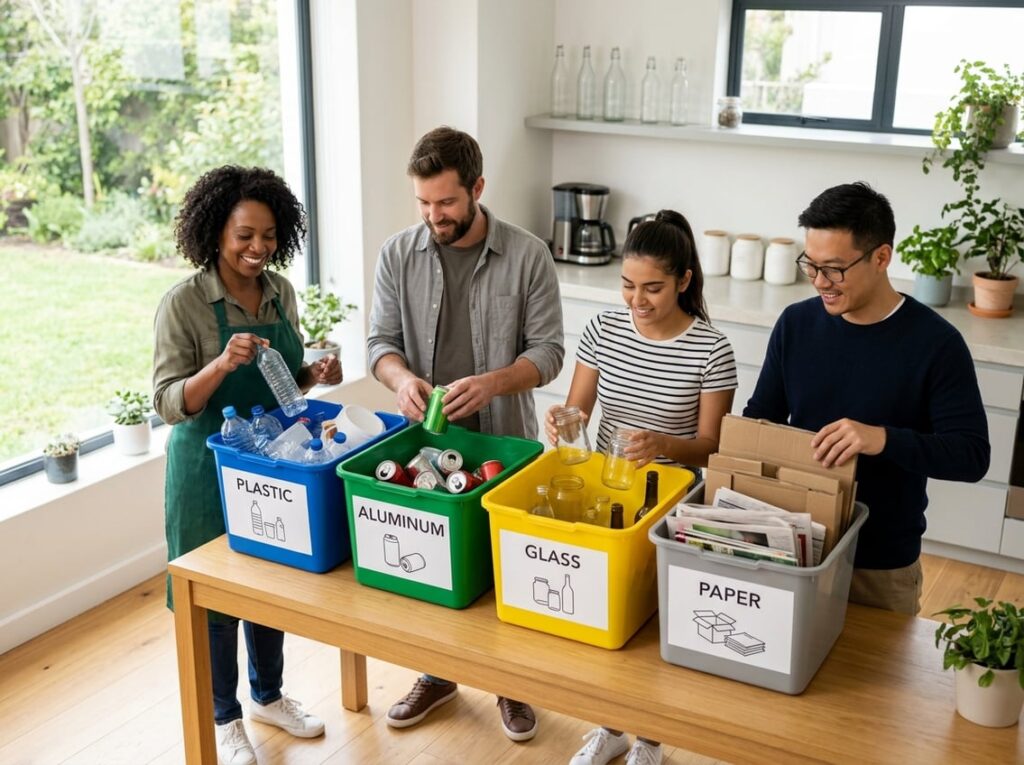
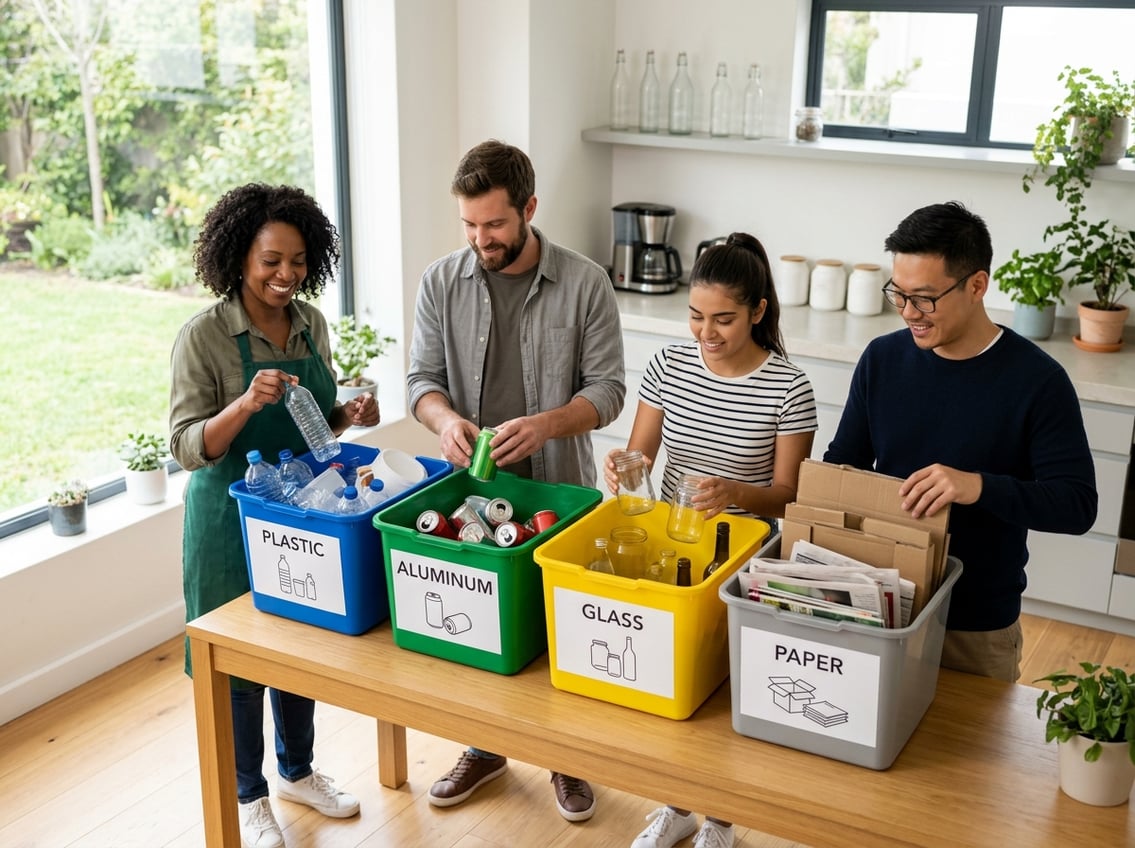
- Separate bins for paper, glass, metal, and plastic
- Collapsible bins if you’re short on space
- Stackable containers for under the sink
- Wall-mounted bins if you’re getting fancy
Squeezing things down also means collection trucks can carry more, which is a nice bonus for the planet.
Locate Specialty Programs in Your Area
Earth911 has a searchable database where you can find recycling options for weird items just by typing in your zip code. TerraCycle runs free recycling programs for hard-to-recycle materials with help from big brands.
Some manufacturers will even take their products back for recycling. Check their websites. Local Facebook groups or neighborhood forums are great for finding community recycling tips too.
5 Ways to Expand Your Local Recycling Options
Check your municipality’s recycling guidelines first
Hop onto your city website or call your waste management provider to see what they actually take. A lot of places now let you search specific items online. Recycling programs lose a ton of money every year because of contamination, which is why they’re picky. Some cities even offer tours or workshops so you can see how it all works.
Attend seasonal collection events
Communities often host hazardous waste days, electronics drop-offs, and paper shredding events a few times a year. These are perfect for stuff like paint, batteries, and old TVs that curbside recycling won’t touch. Sign up for city alerts so you don’t miss out. Sometimes you even get free compost or mulch as a thank-you.
Use mail-in programs for hard-to-recycle items
TerraCycle teams up with brands to let you mail in tricky things like snack wrappers or empty toothpaste tubes. A lot of these programs are free and include prepaid shipping. Brita, for example, recycles water filters this way, and Colgate does it for oral care stuff. Collected materials become new products like benches or playground gear. ReCORK takes wine corks and turns them into shoes and other cool things.
Download recycling apps for instant guidance
Apps like iRecycle, Earth911, and Recycle Coach give you local info on where and how to recycle just about anything. They’re free for iOS and Android. You can check pickup schedules, find recycling centers, and see when special events are happening. Some even let you scan barcodes to see if something’s recyclable. Super handy when you’re stumped.
Organize neighborhood recycling efforts
Team up with neighbors to share rides to the recycling center or split the cost of special recycling boxes. Set up a drop-off spot for batteries or bulbs, so everyone can participate without making a separate trip. Some blocks even have “recycling captains” who collect tricky items from everyone and take them in. Use social media or apps to coordinate these community recycling projects. It makes a difference and brings the neighborhood together.
From Waste to Resource: Your Recycling Impact
Small changes really add up. If you start recycling just one more kind of item, you could keep hundreds of pounds of waste out of landfills over your lifetime.
Energy Savings from Common Items:
- One aluminum can saves enough energy to power a laptop for five hours.
- One glass bottle saves enough to light a 100-watt bulb for four hours.
- One aluminum can saves enough to run a TV for three hours.
Pretty wild when you think about it. If you do these things regularly, the impact multiplies fast.
Set yourself up by making sorting super easy. Try a multi-bin system and maybe print out a quick reference guide to keep nearby. The easier it is, the more likely you’ll stick with it.
Resource Conservation Benefits:
| Material | Savings Per Ton |
|---|---|
| Paper | 17 trees and 7,000 gallons of water |
| Aluminum | Significant energy reduction |
| Glass | Substantial power savings |
Reusing and repurposing things before you recycle them squeezes out even more value. If you share what you learn about recycling with friends or family, your impact spreads. Environmental awareness tends to ripple out—it doesn’t stop at your doorstep.
Why not pick one thing you usually toss and start recycling it today? See where it leads.
Recyclable Items Quick Reference Guide
Knowing what you can recycle helps you make smarter choices every day. Plastic bottles, paper, cardboard, glass containers, and metal cans are usually a safe bet for curbside bins.
High-Impact Recyclables to Prioritize:
- Aluminum foil and trays – Uses 95% less energy than making new aluminum
- Empty plastic toiletry bottles – Cuts down on petroleum use
- Electronic waste – Recovers valuable metals and keeps toxins out of landfills
- Textiles in any condition – 95% can be recycled or reused
- Clean paper products – Saves trees and water
Recycling Symbol Guide:
| Symbol | Meaning |
|---|---|
| ♳ through ♹ | Plastic resin codes (not recycling guarantees) |
| ♲ | General recycling symbol |
| ♻ | Made from recycled materials |
You can check local options at Earth911.com or use TerraCycle.com for hard-to-recycle materials. The EPA’s recycling resources are also super helpful.
Your effort matters—even if it’s not perfect. Every item you keep out of the landfill is a win.
Frequently Asked Questions
What household items are commonly thrown in the trash but are accepted in most curbside recycling programs?
A lot of things end up in the trash that really belong in your recycling bin. Plastic bottles numbered 1, 2, and 5 are usually accepted. Paper, cardboard, glass containers, and metal cans are also good to go.
Empty aerosol cans can be recycled if they’re totally empty. For small metal caps and lids, put them inside an empty metal can and crimp it shut so they don’t fall through the machines.
Junk mail, magazines, and catalogs are recyclable, even if it feels weird. Same for phone books. Clean pizza boxes are fine too—just toss any leftover cheese or crumbs first.
Which plastics are typically recyclable at home, and how can you identify their resin codes?
Look for the resin code inside the triangle on the bottom of plastic items. That number tells you the type of plastic.
Commonly Accepted Plastics:
- #1 PETE – Water bottles, soda bottles, food containers
- #2 HDPE – Milk jugs, detergent bottles, shampoo bottles
- #5 PP – Yogurt cups, medicine bottles, some food containers
Plastics to Avoid in Curbside Bins:
- #3 PVC – Pipes, some packaging
- #4 LDPE – Plastic bags, squeeze bottles
- #6 PS – Styrofoam, disposable cups
- #7 Other – Mixed plastics (varies by location)
Always double-check with your local program, since rules can change. The shape matters too—bottles with necks are usually okay, but plastic bags and wrap aren’t.
Can items like aluminum foil, pie tins, and metal lids be recycled, and what preparation is required?
Yep, aluminum foil and pie tins are recyclable in most places. Just make sure they’re clean and scrunch the foil into a ball at least two inches wide so it doesn’t get lost in the machinery.
Metal lids from glass jars can be recycled too. Remove them and pop them inside an empty metal can, then squeeze the top shut to keep them in during sorting.
Quick Steps for Metal Items:
- Scrape off food
- Rinse if needed
- Combine small pieces
- Keep lids inside cans
Empty and rinse aluminum cans. No need to remove labels or crush them. Steel food cans are handled the same way.
Are cardboard food and beverage cartons recyclable, and do they need to be rinsed first?
Cartons like milk, juice, and soup boxes are recyclable in lots of areas. They’re made from paper, plastic, and sometimes aluminum, and special facilities handle them.
Give cartons a quick rinse and empty them out before recycling. Food residue can mess up other recyclables.
Flatten the cartons to save space. Whether you leave caps on or off depends on your local rules—most prefer caps off, but some newer places can handle either way.
Not every community takes cartons yet, so check your local recycling guidelines. Sometimes you have to drop them off instead of putting them in your curbside bin.
What paper products can be recycled, and which ones are usually excluded due to contamination or coatings?
Most clean paper can go in the recycling. That includes office paper, newspaper, magazines, mail, and cardboard.
Recyclable Paper Products:
- Newspapers and inserts
- Office paper and envelopes
- Cardboard boxes and shipping materials
- Magazines and catalogs
- Paper bags
- Wrapping paper (no foil or plastic)
Non-Recyclable Paper Products:
- Paper towels and napkins
- Tissues
- Paper plates with food on them
- Waxed cardboard
- Frozen food boxes with plastic coating
- Receipts (thermal paper)
- Wallpaper
Grease and food ruin paper recycling. If your pizza box is greasy, just tear off the clean parts to recycle and trash the rest. Shredded paper is hit-or-miss—some places take it, some don’t, so check first.
Which everyday items should go to store drop-off or specialty recycling instead of the curbside bin?
A surprising number of common items require special recycling instead of curbside pickup. Plastic bags and film can’t go in your regular bin—they jam up sorting equipment fast.
You’ll usually find collection bins for plastic bags at grocery store entrances. Just toss your bags in there next time you shop.
Batteries need special handling and should not go in household bins. Lots of stores and municipal drop-off centers will take them.
Electronics like old phones, computers, and TVs contain valuable materials, but you can’t just throw them out. E-waste recycling programs or manufacturer take-back programs are the way to go.
Items for Special Drop-Off:
| Item Type | Drop-Off Location |
|---|---|
| Plastic bags and film | Grocery stores |
| Batteries | Retail stores, municipal centers |
| Electronics | E-waste facilities, manufacturer programs |
| Light bulbs | Hardware stores, hazardous waste facilities |
| Medications | Pharmacies, police stations |
| Paint | Household hazardous waste facilities |
Styrofoam’s a tricky one. Some shipping stores will accept clean packing peanuts and foam blocks for reuse.
Textiles and clothing? Please, take them to a donation center or a textile recycler instead of tossing them out. It’s a small effort, but it really does make a difference.