
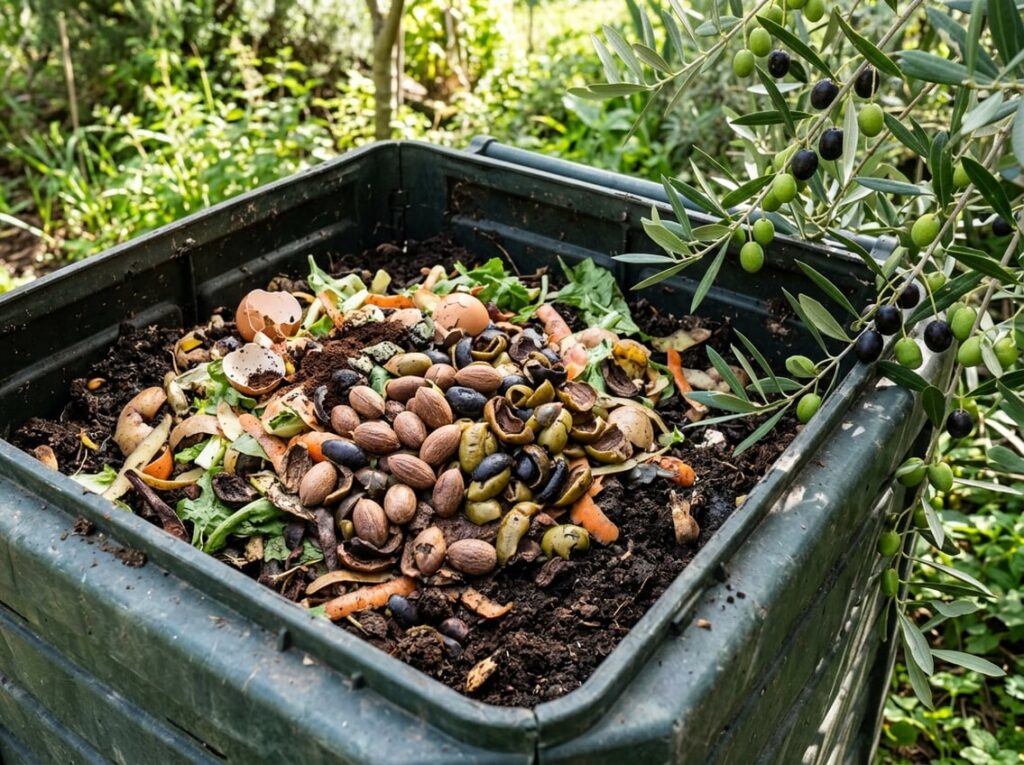
Can You Compost Olives? Ultimate Guide to Fast Decomposition of These Tricky Kitchen Scraps
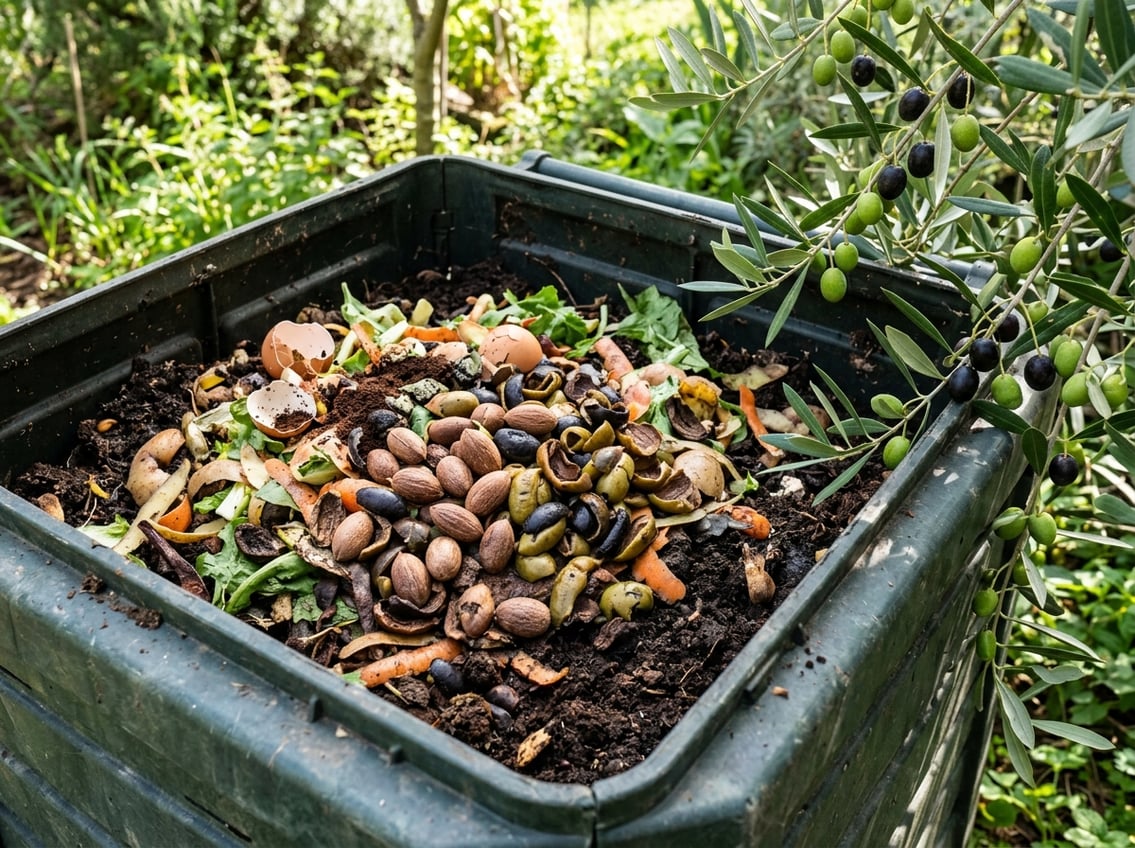
You can absolutely compost olives, though they need a bit of extra care to break down well. Composting olives works best when you tackle two main issues: their high oil content and the salt from brining.
Key considerations for composting olives:
- Salt content – Cured olives preserved in brine are salty, which can slow down helpful microbes and even harm plant roots.
- Oil content – Their fatty makeup means they break down slower than your average kitchen scraps.
- Olive pits – Chop these up before composting to help them break down faster and avoid odors.
Rinse brined olives before tossing them in your compost. Mix them well with carbon-rich stuff like dry leaves or shredded paper. That combo creates a better environment for decomposition.
Chop whole olives into smaller bits to speed things up. Smaller pieces just break down faster and blend in better with everything else in your bin.
The Quick Answer: Yes, You Can Compost Olives (With 4 Important Caveats)
Yes, you can compost olives, but you’ll want to prep them first. Olives aren’t as simple as apple cores or coffee grounds.
Four things to keep in mind:
- High oil content slows decomposition – Olives have 15–30% oil, which acts like a shield and can slow their breakdown by up to two weeks compared to most kitchen waste.
- Brined olives need rinsing – Salt from brining isn’t great for compost microbes. Rinse cured olives really well before adding them.
- Hot composting works best – Aim for a compost pile that gets to 140°F or higher. That heat breaks down oils faster and gets rid of preservatives.
- Small piles struggle – If your compost pile is under 3×3 feet, it might not get hot enough or have enough microbial action to handle oily stuff like olives.
Quick Reference Guide: Olives in Compost
You can compost olives, but you need to know what you’re dealing with. Olives have a 20:1 carbon-to-nitrogen ratio and are about 60–70% moisture. If you prep them right, they’ll decompose in 3–6 weeks.
Key Properties:
- High oil content (15–30%)
- Salt content of 2–3% in brined types
- Full of calcium, iron, and copper
Benefits:
- Helps your finished compost hold water better
- Provides some nitrogen for microbes
- Adds trace minerals to boost your soil
Important Limit: Keep olives to just 5% of your total compost volume to avoid oil and salt overload.
Why Olives Create Composting Challenges (And How to Overcome Them)
Olives aren’t like your usual kitchen scraps. They bring a few unique challenges, but you can get around them with the right steps.
Oil Barrier Problem
Olives have a lot of fat—15–30%—which coats them in a water-resistant layer. This oily skin blocks oxygen from reaching the microbes that do the composting.
The oils in olives can create waterproof pockets and cut off airflow in your pile. Without enough oxygen, the good bacteria and fungi can’t get to work.
Here’s what helps:
- Chop olives into small pieces to give microbes more surface area.
- Mix with absorbent materials like shredded newspaper or dry leaves.
- Turn your pile often to keep oxygen moving through.
Salt Damage
Brined olives usually have 2–3% salt. This salt draws moisture out of helpful microbes and worms. It can dry them out and stop decomposition in parts of your pile.
Salt from olive brine can build up and harm plants if it ends up in your finished compost. The fix is simple: rinse olives under running water for at least a minute. This removes most of the brine and about 80% of the salt.
Preservation Chemicals
A lot of store-bought olives contain preservatives like sodium benzoate or lactic acid. These chemicals stop microbes from growing, which is exactly what you don’t want in your compost.
Olive oil is tricky to compost when mixed with preservatives. Hot composting—above 140°F—breaks down these additives and gets things back on track.
Pit Persistence
Olive pits are tough. They can take 6–12 months to break down in a regular compost pile. These hard pits resist decomposition and often stick around long after the flesh is gone.
Crush or crack pits before composting to help them break down. Always keep olive content under 5% of your total pile.
How to Properly Compost 5 Different Types of Olives in 3 Weeks
Fresh Olives
Fresh olives are the easiest to compost since they don’t have salt or preservatives. Chop them into quarters before adding them in. That cuts down their breakdown time by about a third.
Their natural oils can still slow things down. Mix one part fresh olives with at least 20 parts other compost materials to keep things balanced.
Brined Olives
Most store-bought olives are brined, so they’re salty. You need to prep them.
Put the olives in a colander and rinse them under cool water for about a minute, stirring as you go. That will get rid of most of the salt.
If they’re packed in heavy brine, soak them in fresh water for 15 minutes first. Then rinse before composting.
Oil-Cured Olives
These are the oiliest of the bunch. Their oils can make your compost pile clumpy and block oxygen.
Mix oil-cured olives with twice their volume in dry materials like:
- Sawdust
- Shredded paper
- Dried leaves
These absorb extra oil and help keep air flowing.
Stuffed Olives
Remove fatty fillings like cheese or anchovies before composting stuffed olives. Those can attract pests and cause nasty smells.
Pimento stuffing is plant-based and safe to compost. You can leave it in, but removing it does help olives break down a bit faster.
Olive Pits
You can compost whole olive pits, but they take ages to break down. Crushing them with a hammer or heavy object helps a lot.
You might even want to save pits for other uses.
Key ratio for all olive types: Mix 1 part olives with 20 parts other compost materials for best results.
6-Step Process: Preparing Olives for Fast Composting Results
Step 1: Thorough Rinsing Technique (3 minutes)
Put your olives in a colander and rinse them under cool water for a full three minutes. Stir every half-minute to get all sides clean. This gets rid of about 90% of the salt and loosens up surface oils.
If they’re extra briny, soak them in fresh water for 15 minutes before rinsing.
Step 2: Chopping Method for 40% Faster Breakdown
Cut olives into quarters (or smaller) to give microbes more to work with. Chopping can reduce decomposition time by up to 40%.
If you’ve got a lot, pulse them in a food processor—but don’t go overboard and make a paste, or you’ll slow things down.
Step 3: Strategic Layering with High-Carbon Materials
Create layers in your compost pile like this:
- Start with a layer of high-carbon stuff (dried leaves, shredded paper, sawdust).
- Add a thin layer of chopped olives.
- Top with another carbon layer.
This “sandwich” soaks up extra oil and prevents clumping. Preparing olives for composting is all about balancing carbon. Use different textures to keep air moving.
Step 4: Proper Moisture Balance (60–65%)
Olive oil repels water, so your pile can get dry in spots. After adding olives, grab a handful and squeeze—it should feel like a wrung-out sponge.
Too dry? Add water slowly while turning the pile.
Too wet? Toss in more dry carbon materials.
Step 5: Weekly Turning to Prevent Anaerobic Zones
Olive oil can create airless pockets that slow decomposition and cause bad smells. Turn your pile every week, especially where you added olives. This brings in fresh oxygen and spreads out the oil.
Step 6: Temperature Monitoring for Hot Composting
Keep your compost pile between 130–150°F for the fastest breakdown. This range breaks down oils and neutralizes preservatives. Use a compost thermometer to check the middle of your pile.
If things cool off below 120°F, add some nitrogen-rich stuff like fresh grass clippings or coffee grounds and give the pile a good turn.
Beyond Traditional Composting: 4 Alternative Methods for Olive Waste
Bokashi Fermentation
Bokashi fermentation is an anaerobic method that breaks down oily materials like olives in about two weeks. It’s great for handling oils, which regular composting struggles with.
You’ll need an airtight container and bokashi bran. Layer olives with the bran, seal it up, and let it ferment. It barely smells compared to regular composting.
After 2–3 weeks, bury the fermented mix in soil for another 2–4 weeks. This anaerobic digestion keeps nutrients locked in.
Trench Composting
If you’ve only got a small amount of olives, trench composting is pretty easy. Dig a trench 8–12 inches deep between garden rows or wherever you’ll plant later.
Add a layer of olives no thicker than 2 inches, then cover with soil. The olives break down in the ground over a couple of months, feeding the soil directly.
Vermicomposting Limitations
Worms can eat a few olives, but don’t go overboard. Keep olives at 5% or less of your worm bin.
Before adding, rinse the olives to remove salt, chop them up, and add them slowly. Watch your worms—if they avoid the olives or try to escape, you’ve added too much. The oil just isn’t great for them in large amounts.
Municipal Composting
Commercial composting facilities get much hotter (over 160°F) and use special equipment. They can handle olives faster and in bigger quantities than you can at home.
Check if your town offers municipal composting. It’s a good option if you’ve got lots of olive waste, especially for restaurants.
What Can I Do With Olive Pits? 7 Creative Repurposing Ideas
Plant Drainage Material
Cleaned and dried olive pits make awesome drainage in potting soil. They create air pockets that help roots breathe and prevent soggy soil.
Mix 1 part crushed pits with 5 parts potting soil for better drainage. This is especially handy for succulents and cacti. The pits don’t break down fast, so they’ll keep working for a long time. Long-lasting benefits for your plants? Yep, that’s a win.
Natural Exfoliant
Finely ground olive pits offer an eco-friendly swap for microplastic beads in body scrubs. You can crush dried pits in a strong blender or coffee grinder—just be patient, it takes a bit of elbow grease.
Mix the ground pits with honey and olive oil to create a Mediterranean-inspired exfoliant. This blend is gentle on your skin and much kinder to the environment.
Unlike plastic microbeads, ground olive pits won’t harm marine life. It’s a small switch, but it feels good to know you’re not adding to the plastic problem.
Eco-Friendly Fire Starters
Dried olive pits burn for 10–15 minutes because of their natural oils. That gives you a nice, steady heat for starting fires.
Collect pits in a mesh bag and let them dry for a week or two. Use a handful to help get your fireplace, wood stove, or campfire going.
They’re a plastic-free alternative to commercial fire starters. I find them especially handy when camping.
Rustic Mulch Alternative
Whole or crushed olive pits make a surprisingly attractive and long-lasting mulch for garden beds. Their neutral color and uniform size add a little visual interest to your landscaping.
The rough texture keeps slugs and snails away, since they don’t like crawling over it. Spread a 1–2 inch layer around plants, but keep it away from the stems.
DIY Heating Pad
Fill a small cloth bag with cleaned, dried olive pits to make a microwave-safe heating pad. The dense pits hold heat well and release it slowly.
Microwave for 1–2 minutes and use just like a store-bought heating pad. It’s great for muscle pain relief or just warming up on a cold night.
Jewelry Crafting
Clean, dried olive pits can be drilled and strung for natural, sustainable jewelry. Their warm color and organic shape look great in necklaces and bracelets.
If you want a lighter color, soak the pits in hydrogen peroxide before drilling and stringing. It’s a fun way to make unique accessories.
Garden Path Material
If you’ve got lots of olive pits, they make a durable and attractive surface for garden paths. The pits improve drainage and help cut down on mud in busy spots.
Lay down a 2–3 inch layer of pits over landscape fabric. The result feels gentle underfoot, deters weeds, and lets rainwater soak in.
How to Tell If Your Olive Composting Is Working (or Failing)
Success Indicators
Your olive compost should show signs of progress in the first two weeks. The olive flesh softens and darkens as it breaks down.
A healthy pile smells earthy and pleasant. You’ll notice heat from the microbes at work.
Olive pieces become less distinct as they blend into the compost. That’s a good sign things are moving along.
Warning Signs
Watch for trouble spots in your composting process. If you see an oily sheen on the surface, the oils aren’t breaking down.
This often happens if you add too many olives or skip the carbon materials. Olive clumps sticking around after a month means the pile needs better mixing.
Odor Troubleshooting
Different smells mean different problems. If you catch a strong ammonia odor, you probably have too much nitrogen.
Add more “browns” like dry leaves or shredded paper to balance things out. If you smell rotten eggs, that’s a sign of poor airflow and anaerobic conditions.
Oils can block air, so turn your pile well and add coarse materials like wood chips to open it up.
Timeline Expectations
Chopped olive flesh usually disappears in 3–4 weeks in a hot compost system. Pits take much longer—expect to see them for 6–12 months.
If you’re cold composting, double or triple those timeframes. It’s not a fast process, but it works.
Temperature Patterns
Aim for a pile center temperature of 120–140°F when composting olives. If the temperature drops after adding olives, toss in some more nitrogen-rich materials and mix well.
Why Composting Olives Matters: Environmental Impact Beyond Your Garden
Food Waste Reduction
Americans toss out 30–40% of their food every year. That’s about 35 million tons ending up in landfills across the country.
When you compost olives instead of tossing them, you shrink this waste stream. Every olive you turn into compost is one less clogging up the landfill.
Landfill Methane Prevention
Food waste in landfills creates methane—a greenhouse gas 25 times stronger than carbon dioxide. Composting olives keeps this gas out of the atmosphere.
Your composting efforts use aerobic decomposition, which mostly makes carbon dioxide and water vapor. That’s a big climate win, even if it feels small.
Closed-Loop Kitchen
Composting olives closes the loop from kitchen to garden. Instead of waste, you create a resource for your plants.
You also cut back on commercial fertilizer use and build a more resilient garden. It’s a satisfying cycle.
Soil Enrichment
Olives contain copper, calcium, iron, and vitamin E. Compost made with olive scraps boosts soil biology and plant health in ways regular fertilizers just can’t.
Olive waste enriches soil and keeps extra stuff out of the landfill. It’s a win-win.
FAQ: Top Questions About Composting Olives Answered
Can I compost olive oil that’s gone rancid?
You can add rancid olive oil to your compost, but only in small amounts. Pour no more than 1/4 cup at a time over dry materials like leaves or cardboard.
These “browns” soak up the oil and help avoid problems. For bigger amounts, take the oil to a municipal composting facility or use an oil recycling program.
How long do olive pits take to break down completely?
Whole olive pits need 6–12 months to break down in a home compost pile. Crushing or cracking them first speeds things up—broken pits can decompose in 3–6 months.
Municipal composting facilities work much faster. With their grinders and higher temperatures, olive pits break down in just 2–3 months.
What’s the maximum amount of olives I should add to my compost bin?
Keep olives under 5% of your total compost pile volume. In a standard 3×3 foot pile, that’s about 1–2 cups of olives per week.
Adding more can create oily pockets that slow everything down. Moderation is key.
Are black or green olives better for composting?
Both black and green olives compost just fine when prepared right. The color only shows ripeness.
Black olives do have a bit more oil—20–30% compared to green’s 15–20%. Add extra carbon materials when composting black olives to soak up the extra oil.
Why does my compost smell bad after adding olives?
A bad smell means your compost lacks oxygen. Oils from olives can create waterproof pockets and block airflow.
Turn your pile thoroughly and add coarse stuff like wood chips to open it up. Also, watch how many olives you’re adding—too many at once will cause odor issues.
Can olive pits grow into trees in my compost?
Nope, olive pits won’t grow into trees in your compost. Commercial processing uses heat that kills seeds, and olive seeds need special conditions to sprout.
Even if a seed survived, it would break down before sprouting in an active compost pile.
Should I remove the pimentos from stuffed olives before composting?
You don’t have to remove pimentos—they’re plant material and break down easily. Other fillings like cheese, garlic, or anchovies should come out, though.
Those attract pests and cause odor problems. If you’re not sure about a filling, it’s safer to remove it.
Frequently Asked Questions
Are olives considered a suitable food scrap for home composting systems?
Yes, you can compost olives at home. Olives are compostable as long as you set up the right conditions.
Olive flesh breaks down well if you balance it with other materials. Just remember, olives have oils and fats, so mix them thoroughly with carbon-rich stuff like leaves or shredded paper.
Do brined or salted olives slow down decomposition in a compost pile?
Salt in cured olives needs careful handling. Too much salt slows composting.
Salt harms the bacteria and microbes that make compost work. Brined olives take longer to break down, and too much salt can hurt your soil if you add a lot at once.
Should olives be rinsed before adding them to compost to reduce salt content?
Yes, rinse salted or brined olives before composting. This washes away extra salt.
Steps to prep olives:
- Rinse well under running water.
- Pat dry or let them sit for a bit.
- Chop into smaller pieces.
- Mix with carbon-rich materials right away.
Rinsing protects your compost microbes and prevents salt buildup in your finished compost.
Can olive pits be composted, and how long do they typically take to break down?
Olive pits are compostable but break down very slowly. They have a carbon-to-nitrogen ratio of 50:1.
Olive pits take 1–3 years to fully decompose in a compost pile. The hard shell resists decay.
You can leave pits in your compost and wait, crush them into smaller pieces, use them for something else, or just skip composting them. Some gardeners prefer not to include pits because of the long wait.
Will adding olives to compost attract pests or create odors, and how can that be prevented?
Olives can attract pests if you add them carelessly. Their oils and food value draw animals and insects.
How to prevent problems:
- Bury olives deep in the center of your pile.
- Cover them right away with brown materials.
- Keep your pile balanced.
- Turn compost often.
- Don’t add big amounts at once.
Odors happen if olives sit on the surface or if the pile lacks air. Good airflow keeps smells away.
Mix olives with dry leaves, wood chips, or cardboard to soak up extra oil and moisture.
How much olive waste can be added at once without upsetting the carbon-to-nitrogen balance?
Keep olive additions small for each batch. Try not to add more than 10% of your total compost volume at once.
Olives count as nitrogen-rich green material. You’ll want to balance them with three to four times as much carbon-rich brown stuff.
Recommended ratios:
| Material Type | Amount |
|---|---|
| Olives (nitrogen) | 1 part |
| Browns (carbon) | 3-4 parts |
It’s best to spread out your olive additions over time. Wait for earlier batches to start breaking down before tossing in more.
If you add too many oily olives, they’ll clump together and create weird, airless pockets. This slows everything down and can make things smell pretty unpleasant.