
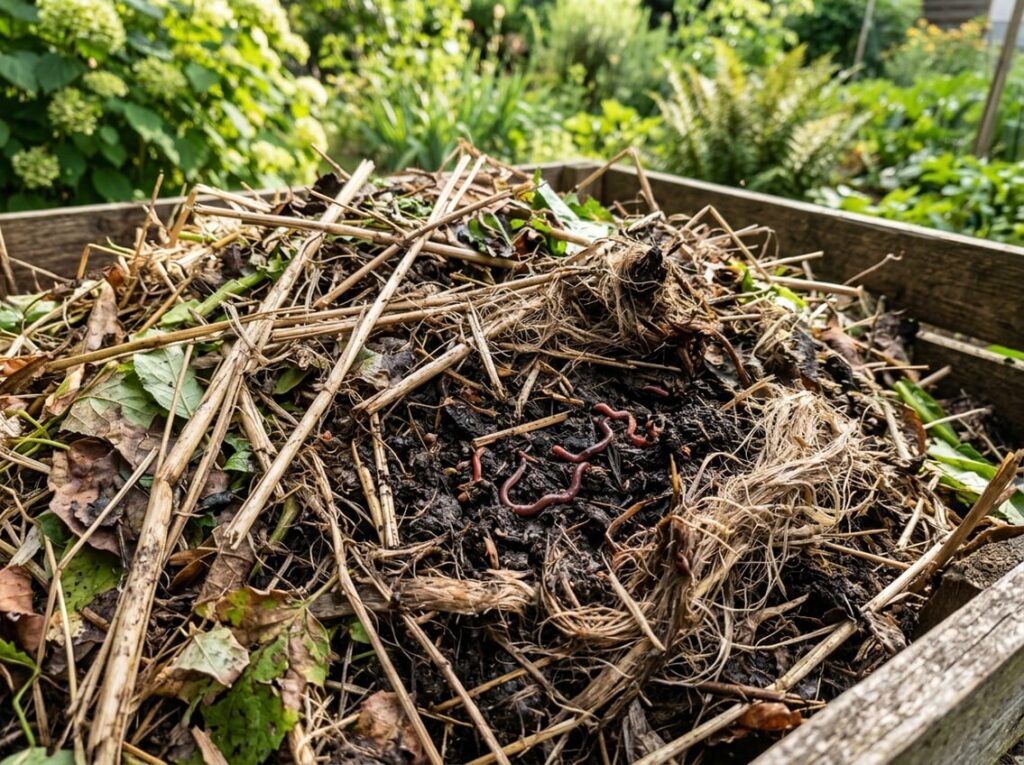
Can You Compost Flax? A Complete Guide to Fast Decomposition (2-4 Weeks)
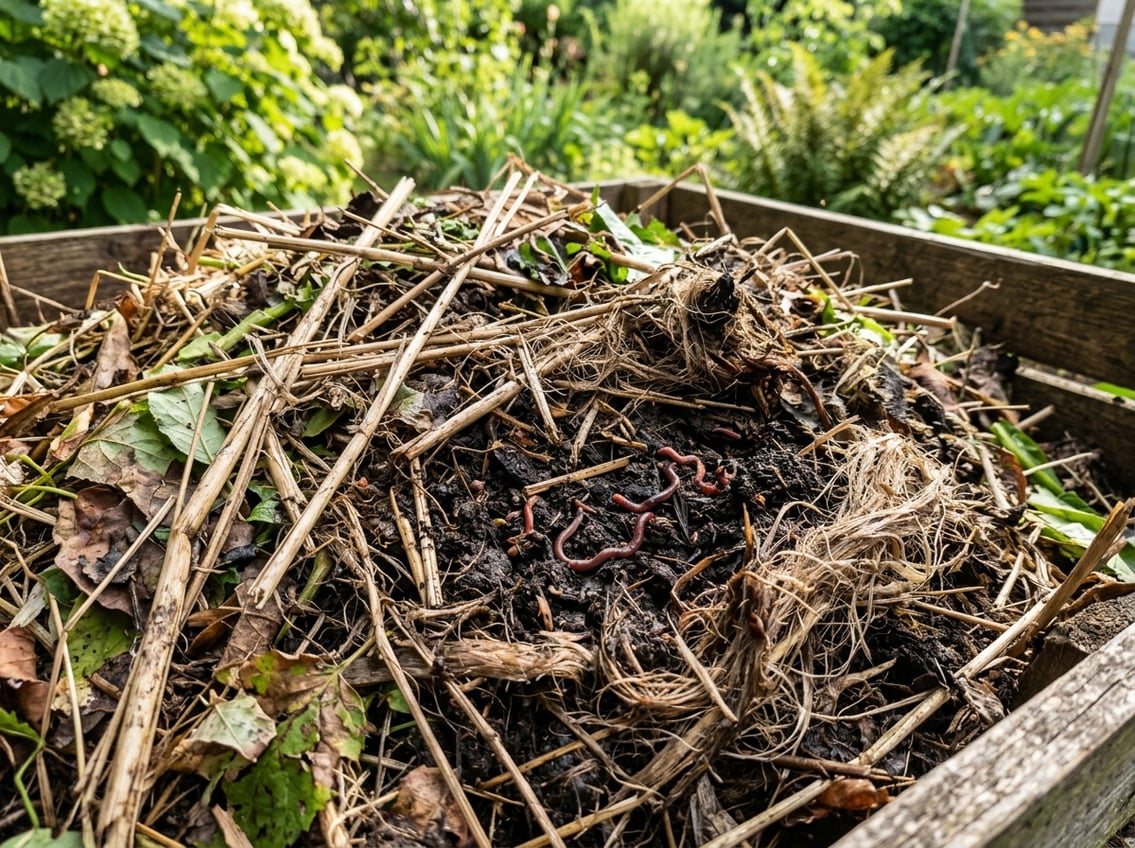
You can absolutely compost flax in all its forms. Got flaxseeds from your kitchen, plant bits from your garden, or even old linen fabric? All of them break down into valuable compost.
Composting flax is pretty straightforward because flax naturally decomposes under the right conditions. The material goes from “waste” to a nutrient-rich soil amendment that your garden will love.
Different forms of flax break down at different rates:
- Flaxseeds usually decompose in 2-4 weeks if you mix them in well.
- Raw flax fiber breaks down faster if you chop it up first.
- Natural linen fabric takes longer, but it’ll still compost just fine.
Balance is the secret here. Flaxseeds act as green material and need “browns” like dried leaves or cardboard mixed in. Raw flax fiber works as brown material, so you’ll want to add some greens to go with it.
Try not to dump big clumps of flax into your compost. Breaking things up speeds up decomposition a lot.
Quick Reference Guide: Flax Composting Basics
You can toss different types of flax into your compost, depending on what you have. Each form breaks down at its own pace and serves a unique purpose.
Green Materials (Nitrogen-Rich)
- Whole flaxseeds: Break down in 14-21 days, carbon to nitrogen ratio is about 20:1.
- Ground flaxseeds: Decompose even faster, in 7-14 days, and help feed microbes.
- Flax plant leaves: Give a nitrogen boost and break down in about 14 days.
Brown Materials (Carbon-Rich)
- Flax stems: Take 21-28 days to break down, also help with airflow in your pile.
- Natural linen fabric: Needs 42-56 days, but it’ll make your soil structure better.
Flax is a great addition to any compost pile, thanks to its balanced carbon-to-nitrogen ratio. Chop flax up before adding to help it break down faster.
What Makes Flax Compostable? Understanding the 3 Main Forms (Seeds, Plants, Fabric)
Flax has been cultivated for over 6,000 years. This ancient crop gives us nutritious seeds and super strong fibers for textiles.
You can compost flax in three main forms, and each one breaks down a bit differently in your pile.
Flaxseeds (Whole and Ground)
Flax seeds are compostable green material even though they’re about 40% oil. The oil actually helps feed microbes instead of slowing things down. If you mix them with brown materials, they break down faster. Ground seeds decompose quicker than whole ones—usually within 2-3 weeks if you prep them right.
Flax Plants and Stalks
The leaves break down easily, just like other green materials. Stems are tougher because they’ve got lots of lignin and cellulose—the same stuff that makes linen so strong. Stems take longer to decompose but add helpful structure to your pile. Flax straw and leftover fibers work well in compost. Plant material breaks down in 2-4 weeks.
Linen Fabric
Natural, undyed flax fabric will compost because it’s biodegradable. Processing linen starts breaking down those tough fibers, so sometimes fabric is a bit easier to compost than raw stems. Fabric takes the longest—usually 6-8 weeks if all goes well. Don’t compost fabric with dyes or chemicals, though, since those can mess with your compost microbes.
Yes, Flax Seeds Compost in 14-21 Days (With These 4 Simple Preparation Steps)
Flax seeds are compostable green material and break down quickly if you prep them right. Their protein content makes them a nice nitrogen-rich addition. The oils in flax seeds actually give compost microbes a little extra energy.
You might worry about flax seeds sprouting in your compost. It can happen if your pile doesn’t get hot enough, but you can prevent that with these four steps.
1. Grind seeds before composting
Breaking the hard shell keeps them from sprouting and helps them decompose about 50% faster. Use a coffee grinder or food processor for small batches. For more seeds, soak them in water for 24 hours before tossing them in the bin.
2. Mix thoroughly with brown materials
Wet flax seeds tend to clump and form pockets that don’t break down well. Mix them with carbon-rich stuff like dried leaves, shredded paper, or wood chips. Aim for one part flax seeds to three parts brown material.
3. Ensure proper moisture
Your compost should feel like a wrung-out sponge. Too much water makes flax seeds slimy and cuts off oxygen, but too little dries everything out. Sprinkle a bit of water while turning if things seem dry.
4. Maintain hot compost temperatures
Keep your pile between 130-150°F to stop seeds from sprouting. Hot composting hits these temps and gets you finished compost in 14-18 days. If you compost cold, make sure to grind seeds up well first.
Omega-3 fatty acids in flax seeds are basically premium fuel for compost microbes. With the right prep, you can get most flax materials to break down in just 2-4 weeks. Turn your pile every few days and keep your green-to-brown balance for the best results.
Composting Flax Plants: Breaking Down Tough Fibers in Under 4 Weeks
Flax stems have a lot of lignin, which makes them tough to break down. This is the same thing that makes linen fabric strong—and a little stubborn in the compost pile. Still, you can speed things up with the right prep.
Traditional flax processing used retting, where plants soaked in water or sat in fields to start separating fibers. You can use these same ideas to compost flax plants faster.
Preparation Steps for Fast Decomposition
Try these techniques to break down flax fibers quickly:
-
Chop stems into 2-inch pieces. Use pruning shears or garden scissors to cut stems small. This gives microbes more surface area to work on. For big batches, a chipper or shredder is handy.
-
Pre-soak tough stems for 48 hours. Put chopped stems in a bucket of water for two days, then drain. Keep that water for your garden—it’s full of nutrients. Soaking softens the fibers and gets microbes started before you add stems to the compost.
-
Layer with nitrogen-rich materials. Flax waste counts as green material, so mix stems with kitchen scraps, grass clippings, or ground flaxseeds. Aim for a carbon-to-nitrogen ratio around 30:1.
-
Turn compost weekly. Turning adds oxygen and spreads moisture and microbes throughout the pile. This is especially important for tough stuff like flax.
Expected Breakdown Timeline
| Material | Decomposition Time |
|---|---|
| Flax leaves | 2 weeks |
| Flax stems | 3-4 weeks |
Your finished compost will have fibers that help your soil hold water and keep its structure. Natural, untreated flax breaks down completely if you manage your compost well.
How to Compost Linen Fabric: From Closet to Garden in 6-8 Weeks
When your linen items are worn out, composting is a smart, eco-friendly way to keep them out of landfills. Not every linen item is good for compost, though.
Your linen should meet these requirements:
- Made from 100% natural linen (check those labels!)
- No synthetic blends (even a little polyester means no-go)
- Minimally dyed or only natural dyes
- No chemical treatments like wrinkle-resistance or flame retardants
Watch out for these warning signs:
- Fabric labeled “linen-look” or “linen blend”
- Super bright or colorfast dyes (probably synthetic)
- Water-resistant or stain-resistant coatings
- Fabric that feels stiff or slick
Here’s how to compost linen fabric properly:
Cut into 4-inch squares. Big pieces can mat together and block air. Cutting into smaller squares gives more surface area and keeps things from sticking together. Use sharp scissors or a rotary cutter.
Remove non-compostable stuff. Take off buttons, zippers, tags, and any synthetic threads or decorations. Even tiny bits of plastic or metal can mess up your finished compost.
Pre-soak in water for 24 hours. This helps start the breakdown and washes out any leftover dyes or treatments. Use room-temp water, and if you want, add a tablespoon of compost accelerator or finished compost to introduce good microbes.
Bury in the center of an active compost pile. The center is hottest and has the most microbial activity. Spread fabric pieces throughout this hot zone—don’t just layer them on top or they could block moisture and airflow.
Linen breaks down in about 2-6 weeks if conditions are good. Before composting, think about whether you can reuse or donate the item. Even worn-out pieces can become cleaning rags, garden ties, or craft supplies. Save composting for stuff that’s truly at the end of its life.
5 Surprising Benefits of Adding Flax to Your Compost Pile
Adding flax to your compost does more than just cut down on waste. Here are five perks you might not expect.
Nutritional boost from omega-3 fatty acids
The omega-3s in flaxseeds feed the good microbes in your compost. These high-energy compounds help microbes break down everything else faster. Adding oil-rich seeds like flax can boost microbial activity by up to 25% compared to basic compost ingredients.
Improved moisture retention in finished compost
Decomposed flax fibers form tiny structures that hold water like sponges. Compost with flax helps soil retain moisture 15-20% better than regular compost. That means you’ll water your plants less and they’ll handle dry spells better.
Enhanced soil structure from decomposed fibers
As flax fibers break down, they improve soil structure for the long haul. These fibers help prevent compaction and create little channels for air and water. Unlike some compost material that vanishes, flax leaves behind helpful structural bits that keep your soil healthy for seasons to come.
Balanced carbon-to-nitrogen ratio when mixed properly
Flax gives you a great carbon-to-nitrogen ratio if you use different forms. Flax seeds are nitrogen-rich greens, while stems and linen scraps supply carbon-rich browns. Mixing them lets you balance your pile, especially if you have lots of kitchen scraps.
Reduced waste footprint by composting kitchen and fabric scraps
The average household tosses about a pound of textile waste each week. If you compost natural linen items instead of sending them to a landfill, you avoid creating methane and make valuable compost. Composting old flax seeds also keeps food waste out of the dump and boosts your garden’s health.
Troubleshooting: Solving the 4 Most Common Flax Composting Problems
Flaxseeds sprouting in your compost pile
If you notice seeds sprouting in your bin, your compost isn’t heating up enough to kill them. Try building your pile to at least 3 cubic feet so it holds more heat.
Add nitrogen-rich stuff like grass clippings or coffee grounds to kickstart microbial action. Cover the pile with a dark tarp to trap warmth and turn it more often to spread the heat around.
For your next batch, grind flaxseeds before tossing them in—that usually stops this problem.
Flax stems refusing to break down
Tough stems can really put up a fight if things are too cold or dry. Pull out those stubborn bits and chop them smaller before tossing them back in.
Soak them in water for 3 to 5 days to soften them up, then return them to the pile. Add a little nitrogen boost right around the stems (diluted urine actually works if you’re up for it).
Make sure the pile stays evenly moist. If all else fails, worms love these stems—vermicomposting can help.
Rancid odors after adding flaxseed
If your pile smells rotten, those oils are breaking down without enough air. Turn the pile right away to get some oxygen in there.
Toss in dry stuff like shredded paper or dried leaves to soak up extra moisture and oils. Make sure water can drain from the bottom.
Limit flaxseed additions to about 1 cup per cubic foot of compost—too much can overwhelm things.
Linen fabric lingering for months
If fabric just won’t disappear, it might have synthetic fibers or your pile’s not active enough. Check that it’s 100% linen, no blends.
Cut the fabric into smaller pieces and soak it in warm water with a bit of finished compost for a few days. Bury these pieces in the hottest part of your pile.
If things are still slow, try a commercial compost accelerator.
Quick-Start Guide: Composting Flax in 3 Simple Steps (15 Minutes Prep Time)
Setting up flax for composting can be quick—about 15 minutes, honestly. This works for seeds, plants, and even fabric.
Step 1: Prepare Your Flax Materials
Different flax materials need different prep:
| Material Type | Preparation Method | Time Needed |
|---|---|---|
| Seeds | Grind in a coffee grinder for 30 seconds | 1 minute |
| Plants | Cut into 2-inch pieces with garden shears | 5 minutes |
| Fabric | Cut into 4-inch squares and remove non-compostable elements | 9 minutes |
Step 2: Add to Your Compost Pile in Thin Layers
When you add flax, alternate it with other compost materials. Sprinkle no more than 1 cup of seeds per cubic foot. For plants, keep each layer under 2 inches thick. If you’re composting fabric, spread the pieces out—don’t just drop them in a clump.
Step 3: Monitor Moisture and Temperature
Check moisture weekly by grabbing a handful—should feel like a wrung-out sponge. For hot composting, use a thermometer to make sure temps hit 130-150°F. Turn the pile weekly to even out moisture, heat, and microbes.
Microorganisms will work away and transform your flax into compost over the next 2 to 8 weeks.
Eco-Friendly Alternatives: What to Do When You Can’t Compost Flax
Sometimes composting just isn’t an option—maybe you’ve got no space, or local rules make it tough. But there are other ways to handle flax responsibly.
For flaxseeds, you can sprinkle expired seeds straight into garden soil. They’ll either break down or maybe sprout into useful plants.
Try making a “seed tea” by soaking seeds in water for a couple of days, then use that water on houseplants. You can also offer old seeds to local farmers, or mix them into bird seed for wildlife.
For flax plants, use stems as mulch around perennials—they break down slowly but do the job. Dried stems work for wattle fencing or even as fire starters (they burn clean). Fiber artists might want them for crafts, too.
For linen fabric, cut up old pieces for cleaning rags, plant ties, or craft projects. Donate usable items to textile recycling. Use fabric as a weed barrier under mulch or make plant sleeves to shield young trees from sun.
When you’re shopping, look for “100% linen” or “100% flax” labels. GOTS certification means organic standards. Natural, undyed options are best—they break down safely without leaving chemicals behind.
FAQ: Your Top Questions About Composting Flax Answered
Can you compost rancid flaxseed oil or expired flaxseeds?
Yep, both can go in the compost. Add rancid oil sparingly—no more than 1 tablespoon per cubic foot—and mix it with absorbent stuff like sawdust or shredded paper.
Expired flaxseeds break down even faster than fresh ones. They’re already on their way to decomposing, so microbes jump right in.
How do you prevent flaxseeds from sprouting in your garden after composting?
Keep your compost hot—130°F or higher for at least three days. That’ll kill most seeds. Let compost cure for at least three months before using it.
Grinding seeds before composting also destroys their ability to sprout.
Will composting linen fabric leave microplastics in my soil?
Natural linen won’t leave microplastics. But a lot of modern linen has polyester or other fibers mixed in, and those do create microplastics. Always check the label before composting.
Does flaxseed meal compost faster than whole seeds?
Definitely. Ground flaxseed meal can break down in about a week or two, while whole seeds need a bit longer. Grinding cracks the seed coat and gives microbes more to work with.
Can flax compost attract pests to your compost bin?
Flaxseeds have oils that might attract rodents if you add a ton at once, but mixing thoroughly helps. Don’t overload your pile, and you’ll be fine. Flax plants and linen fabric pretty much never attract pests.
Is it better to compost flax or add it directly to garden soil?
Most gardens do better if you compost flax first. That way, seeds can’t sprout, and fibers break down. But in no-till or permaculture setups, you can use chopped flax plants as mulch or sprinkle ground seeds as a slow-release nutrient source.
Frequently Asked Questions
Do flax-based materials break down effectively in a home compost pile?
Yes, flax-based stuff breaks down well in home compost. Natural, undyed flax fabric is biodegradable and composts without any hassle.
The plant fibers have cellulose that microbes love. Flax makes a good “green” material for your bin.
But if it’s treated or dyed, you could run into trouble. Chemicals can mess with the microbes. Stick to untreated flax for best results.
How long does flax take to decompose under typical composting conditions?
Flax materials can break down in 2 to 4 weeks if you do things right. The actual time depends on a few things—smaller pieces always rot faster.
Temperature and moisture matter a lot, too. Balance your materials for the best breakdown.
Is it better to compost flax residues in a bin, a pile, or directly in the soil?
All three work, honestly. Each has pluses.
A bin keeps things tidy and makes it easier to control moisture—great for small spaces. An open pile lets you compost more at once and makes turning easier.
Burying flax directly in the soil works too, especially if you want the nutrients right where your plants are.
Should flax be shredded or processed before adding it to compost to speed decomposition?
Yes, chopping flax into small pieces helps a lot. Shredding gives microbes more surface area to work on, so things break down faster.
Tips:
- Cut fabric into strips or squares
- Break plant stalks into short bits
- Crush seeds if you’re adding a lot
Smaller pieces also mix better with other materials, so your pile stays even.
Can adding flax to compost attract pests or create odor problems?
Flax doesn’t usually attract pests if you compost it right. It breaks down cleanly and doesn’t stink.
Just keep your pile balanced—mix greens and browns, and turn it often. Most problems come from poor composting, not from flax itself. If you manage your pile, you shouldn’t have issues with pests or odors.
What materials should be kept out of compost to avoid contamination or composting issues?
Dyed or chemically treated fabrics should stay out of your compost. These substances can mess with the good microbes you want and might even ruin your finished compost.
Keep these items out:
- Treated or dyed textiles
- Synthetic fabric blends
- Materials with chemical coatings
- Pet waste
- Diseased plants
- Meat and dairy products
Some stuff just takes forever to break down at home. Other things, like pet waste or anything with chemicals, can bring in nasty bacteria or toxins.
If you want compost that’s safe for your garden, stick with natural, untreated materials. It’s honestly not worth the risk.