The Sustainability Dilemma: Which Egg Cartons Can Actually Be Composted?
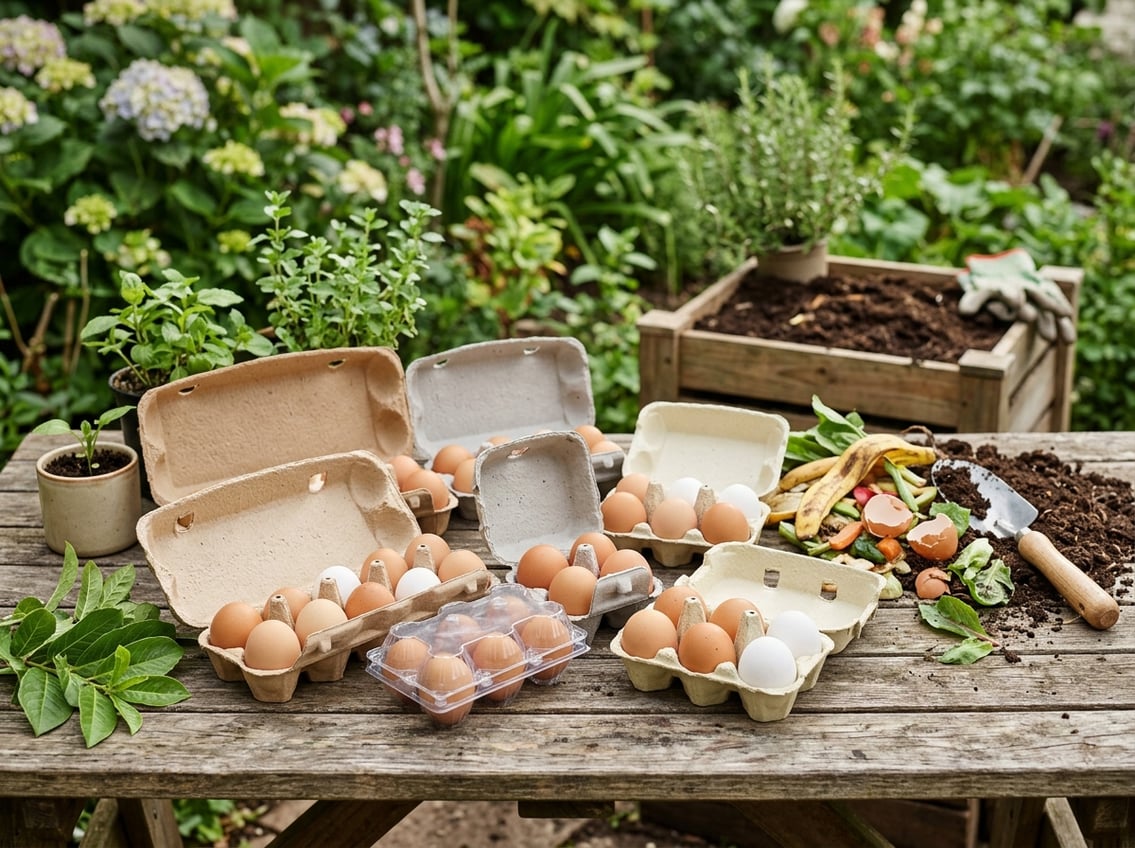
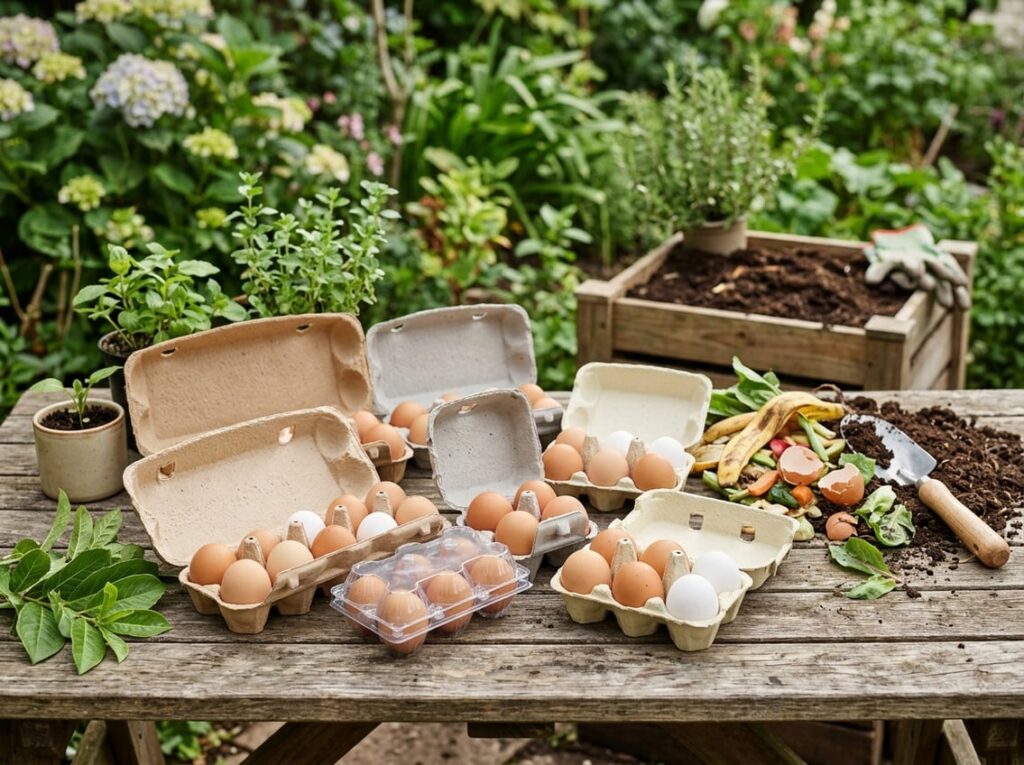
When you’re trying to figure out if you can compost egg cartons, it’s really all about the material. Paperboard and cardboard egg cartons break down naturally in compost piles because they’re made from recycled paper fibers.
These cartons count as brown material, so they add carbon to your compost. Styrofoam or polystyrene egg cartons can’t be composted.
Plastic-based containers like these never decompose, and they’ll mess up your compost pile if you add them. You can usually spot compostable cartons by how they look and feel.
Cardboard ones tear easily and feel rough and fibrous. Plastic foam cartons feel smooth and squeaky when you squeeze them.
Composting egg cartons made from paper works best if you tear them into smaller chunks first. That way, they break down faster and mix in better with other materials.
Clear or colored plastic cartons? Toss those in the recycling bin, not your compost.
4 Common Egg Carton Types and Their Compostability Status
Paper/Cardboard Egg Cartons (Compostable in 2-4 Weeks)
You’ll recognize these by their gray-brown color and that classic recycled paper pulp look. Paper egg cartons break down completely in home compost and provide that carbon-rich “brown” material your pile needs.
If you shred them up, they usually disappear within 2-4 weeks. These compostable egg cartons are great for adding structure and breaking down fast.
Molded Pulp Egg Cartons (Compostable in 3-6 Weeks)
Molded pulp cartons look a lot like paper ones but feel thicker and sturdier. The texture is rougher too.
Molded pulp cartons are completely biodegradable, though they take a bit longer—usually 3-6 weeks. They help create little air pockets in your compost, which is actually pretty handy.
Styrofoam Egg Cartons (Not Compostable)
You can spot these foam egg cartons by their bright white, super-lightweight look. They just won’t break down in compost or even in landfills.
These cartons have chemicals you don’t want in your pile and aren’t accepted in most recycling programs. Just keep them out of your compost altogether.
Clear Plastic Egg Cartons (Not Compostable)
Plastic egg cartons are usually made from PET or PETE plastic (recycling code #1). You can’t compost them at home.
Lots of city recycling programs take these, though. Some grocery stores even have bins for them.
5 Simple Steps to Properly Compost Paper Egg Cartons
1. Check for Compostability (Takes 10 Seconds)
Before tossing your carton in the pile, make sure it’s the right kind. Paper, cardboard, and molded pulp cartons are compostable because they’re just recycled paper.
Look for a “compostable” label, or just try tearing it. If it rips easily and looks fibrous, you’re good to go.
2. Prepare Cartons for Faster Decomposition (Takes 30 Seconds)
Remove any plastic liners and stickers first. Tear the carton into pieces about 2 inches wide.
Smaller pieces break down way faster than whole cartons. Want to speed things up even more? Soak the pieces in water for 10 minutes before tossing them in.
3. Add to Your Compost System Correctly (Layer Method)
Egg cartons are considered “brown” material, so they give your pile carbon. Layer those torn carton bits between green materials like veggie scraps or grass clippings.
They can also help soak up extra moisture if your pile gets soggy. Try to keep egg cartons at about 10% or less of your total compost volume.
4. Monitor Moisture Levels for Optimal Breakdown
The carton pieces should stay damp, not soaking wet. Give them a spritz of water if things seem dry.
If the cartons aren’t breaking down, check that you’ve got enough nitrogen-rich materials in there. Moisture really affects how fast they decompose.
5. Address Common Composting Challenges
If you still see big pieces after 4 weeks, just tear them up smaller. Burying them deeper in the pile can help them break down faster.
If you notice matting, fluff your compost up a bit. Don’t add too many cartons at once, or they’ll clump together and slow everything down.
3 Creative Uses for Paper Egg Cartons Beyond Composting
Biodegradable Seed Starters (Reusable for 1-2 Seasons)
You can reuse egg cartons as seed starters. Just fill each cup with seed starting mix and plant your seeds right in there.
When your seedlings get their first true leaves, plant the whole cup in your garden. The carton breaks down, and the roots grow right through.
Garden Mulch and Weed Suppression
Tear cartons into small pieces or run them through a shredder. Spread a 1-inch layer around your plants as mulch.
This helps keep soil moist and cuts down on weeds. As the cartons break down, they add organic matter to your garden.
Effective Fire Starters for Wood Stoves and Campfires
Fill carton cups with dryer lint or sawdust. Pour melted candle wax over them and let it harden.
Voilà—eco-friendly fire starters that burn for 5-10 minutes.
How to Responsibly Handle Non-Compostable Egg Cartons
Plastic Carton Recycling Options
If you’ve got plastic egg cartons, you can usually recycle egg cartons through your local program. Check your area’s recycling rules to make sure they take plastic.
Rinse the cartons before you toss them in the bin. Some grocery stores have special collection spots for egg cartons too.
Look for recycling code #1 (PET/PETE) on the bottom. That’s the type most facilities accept.
Styrofoam Carton Alternatives
You can use styrofoam cartons to organize small stuff—buttons, craft supplies, you name it. They’re handy for crafts or kids’ projects.
Some places collect styrofoam for recycling, so check around locally. Clean cartons also make good packing material if you’re mailing something fragile.
Reducing Non-Compostable Packaging at the Source
Pick eggs in paper cartons when you shop to get compostable packaging right from the start. At farmers markets, ask about packaging-free options.
Some farms let you bring your own container. If you mention your preference to store managers or egg producers, you might help push for better packaging.
4 Ways to Make More Sustainable Egg Purchases
Local Farmers Market Egg Options (Average Cost: $5-7/dozen)
Shopping at farmers markets lets you meet the folks who raise your eggs—and many of them care about sustainability. Lots of small farmers use containers you can return next time.
Most vendors stick with paper cartons you can compost. Sometimes, if you get to know your farmer, they’ll let you bring your own box.
Buying local also cuts down on transportation emissions. Not a bad bonus.
Bulk Egg Purchasing Strategies
Some co-ops or health food stores let you buy loose eggs in your own container. Buying bigger quantities, like flats of 30, means less packaging per egg.
Storage tips:
- Keep eggs in the fridge at 40°F or below.
- They’ll last up to 5 weeks.
- Split big purchases with neighbors or friends if you can’t use them all.
Community Supported Agriculture (CSA) Subscriptions
CSA programs often include eggs in weekly shares, usually in returnable containers. These models really focus on cutting packaging waste.
When you deal directly with a farm, you can often request the kind of packaging you want.
Backyard Chicken Keeping for Zero-Waste Eggs
A small flock—say, 3 or 4 hens—gives most families all the eggs they need, with zero store packaging. Daily care takes about half an hour.
Bonus: chicken manure is fantastic for compost.
7 Frequently Asked Questions About Composting Egg Cartons
Can you compost egg cartons with colored printing or ink?
Most egg cartons with colored printing are fine to compost. These days, manufacturers usually use soy-based inks that break down safely.
Watch out for super-bright colors or glossy finishes, though. Those might have stuff you don’t want in your compost, like heavy metals or plasticizers.
When composting egg cartons, stick with regular printed ones with matte finishes.
How long do paper egg cartons take to decompose in compost?
It depends on your compost method and how you prep the cartons.
- Active hot compost: 2-4 weeks for shredded pieces.
- Cold composting: 4-8 weeks for shredded pieces.
- Whole cartons: Could be a few months.
Tearing them up really speeds things along. More surface area means faster breakdown.
Will egg residue on cartons attract pests to my compost?
A little egg residue won’t cause problems in a healthy pile. If you see egg bits, tear the carton up and bury it in the center of the pile.
The hotter core breaks down proteins quickly. That composting trick also keeps rodents away.
Can moldy or wet egg cartons be composted?
Definitely. Mold just means decomposition’s started, so that’s actually helpful.
Wet cartons break down even faster—moisture gets the microbes working. If they smell bad, just bury them deeper to keep odors down.
Do I need to remove labels from egg cartons before composting?
Paper labels can stay on. Plastic or foil labels should come off before adding egg cartons to compost.
Quick test: if the label tears like paper, it’s compostable.
Can egg cartons harbor harmful bacteria like salmonella?
Raw eggs can sometimes carry bacteria, but composting cartons is pretty low risk. Hot composting gets warm enough to kill off pathogens.
Just put cartons with egg residue in the center of the pile, where temps hit 130-150°F.
Are egg cartons good for worm composting/vermicomposting?
Paper egg cartons are awesome for worm bins. Tear them into little pieces before adding.
They help keep moisture right, make air pockets, and balance out food scraps. Try to keep egg carton bits to about 20% of your worm bin.
Frequently Asked Questions
Are paper and cardboard egg cartons better composted or recycled?
Paper and cardboard egg cartons work well in both compost piles and recycling bins. Which is better? Well, it depends on what your local options are and what you need at the moment.
Composting egg cartons adds a handy brown material to your compost pile. These cartons bring in carbon, which helps balance out all those nitrogen-rich food scraps.
They also help air move through your compost, which is always a good thing.
Recycling works too. Most curbside recycling programs take paper egg cartons, but there’s a catch.
If the cartons are stained with food or get soggy, recycling centers might reject them.
Consider composting if:
- Your compost pile needs more brown stuff
- The carton’s dirty or greasy
- You want to make your own soil amendment
Consider recycling if:
- Your compost bin’s already packed
- The carton’s clean and dry
- You don’t have space or time for composting
Can egg cartons be buried directly in the garden or soil to break down?
You can totally bury paper egg cartons right in your garden soil. Over time, they’ll break down and add some organic matter.
Cutting or tearing the cartons into smaller pieces helps them decompose faster. Try to bury them 4 to 6 inches deep.
It works best if you add the cartons during fall garden cleanup or before spring planting. They’ll need a few months to fully disappear.
If you bury whole cartons right before planting, though, you might run into trouble. They can create air pockets and mess with water flow, plus they’ll use up some nitrogen your plants could use.
Do printed inks, dyes, or labels on egg cartons affect compost safety?
Most printed inks on modern egg cartons are safe for composting. Food packaging companies usually use soy-based or water-based inks that break down without causing trouble.
The dyes in colored egg cartons are almost always non-toxic. Brown, gray, and colored paper cartons all break down fine in a home bin.
Labels and stickers are a different story. Paper labels will compost, but you should peel off any plastic or vinyl stickers first.
What to do:
- Leave printed text and colored cartons as they are
- Remove plastic stickers or tape
- Tear off glossy labels if you see them
- Skip cartons with heavy wax coatings if possible
If your carton has a shiny or waxy finish, it might take longer to break down. You can still compost it, but patience is key.
Can egg cartons go in the green bin where municipal compost is accepted?
Paper and cardboard egg cartons usually get the green light for municipal green bins. Most cities with composting programs allow these cartons along with food scraps and yard waste.
Municipal composting facilities handle a lot more than home compost piles. They run hotter and break things down faster.
Always check your local guidelines before tossing cartons in the green bin. Rules change depending on your city and composting facility.
| Material Type | Typical Acceptance |
|---|---|
| Paper egg cartons | Usually accepted |
| Cardboard egg cartons | Usually accepted |
| Styrofoam egg cartons | Not accepted |
| Plastic egg cartons | Not accepted |
Your city’s waste management website should list what’s allowed. If you’re not sure, a quick call to your local facility can clear things up.
How long do egg cartons typically take to decompose in a home compost pile?
Paper egg cartons usually take about 2 to 4 months to break down in an active compost pile. The exact timing depends on a few things you can control.
Factors that speed up decomposition:
- Breaking cartons into small pieces
- Keeping the pile damp
- Turning the compost now and then
- Balancing browns and greens
- Keeping the pile warm
Whole egg cartons take way longer. Sometimes they’ll sit in your compost for 6 months or more before they finally disappear.
Thicker cardboard cartons decompose slower than thin paper ones. If it’s cold out, decomposition crawls—cartons added in winter might not break down until spring.
You can help your cartons break down faster by tearing them into bits smaller than 2 inches. Mix them well with your other compost, instead of just tossing them in one spot.
Can egg cartons and eggshells be composted together without attracting pests?
You can definitely compost egg cartons and eggshells together. Neither one usually brings in pests.
Eggshells are basically clean, calcium-packed bits that don’t seem to interest animals or bugs much. The cartons? They’re just paper or cardboard, so honestly, they’re pretty harmless in the compost pile.
Best practices to avoid pests:
- Give eggshells a quick rinse before tossing them in.
- Bury both the shells and cartons right in the center of your pile.
- Cover everything up with some brown materials—leaves or a bit of soil work well.
- Skip adding raw eggs or any egg goop.
- Try to keep your compost pile balanced, not too wet or too dry.
The real culprits for pest problems are things like food scraps, meat, and dairy. Eggshells and cartons really don’t cause much trouble.
If you do spot pests in your compost, odds are something else is attracting them. Make sure you bury new stuff and keep a good carbon-to-nitrogen ratio in your pile.
Crushing eggshells before adding them helps them break down faster. You can even tuck the shells into the carton, crush everything together, and add the whole thing at once.