
Can You Compost Charcoal? Quick Guide to Safely Recycling BBQ Ash in Your Garden (2023)
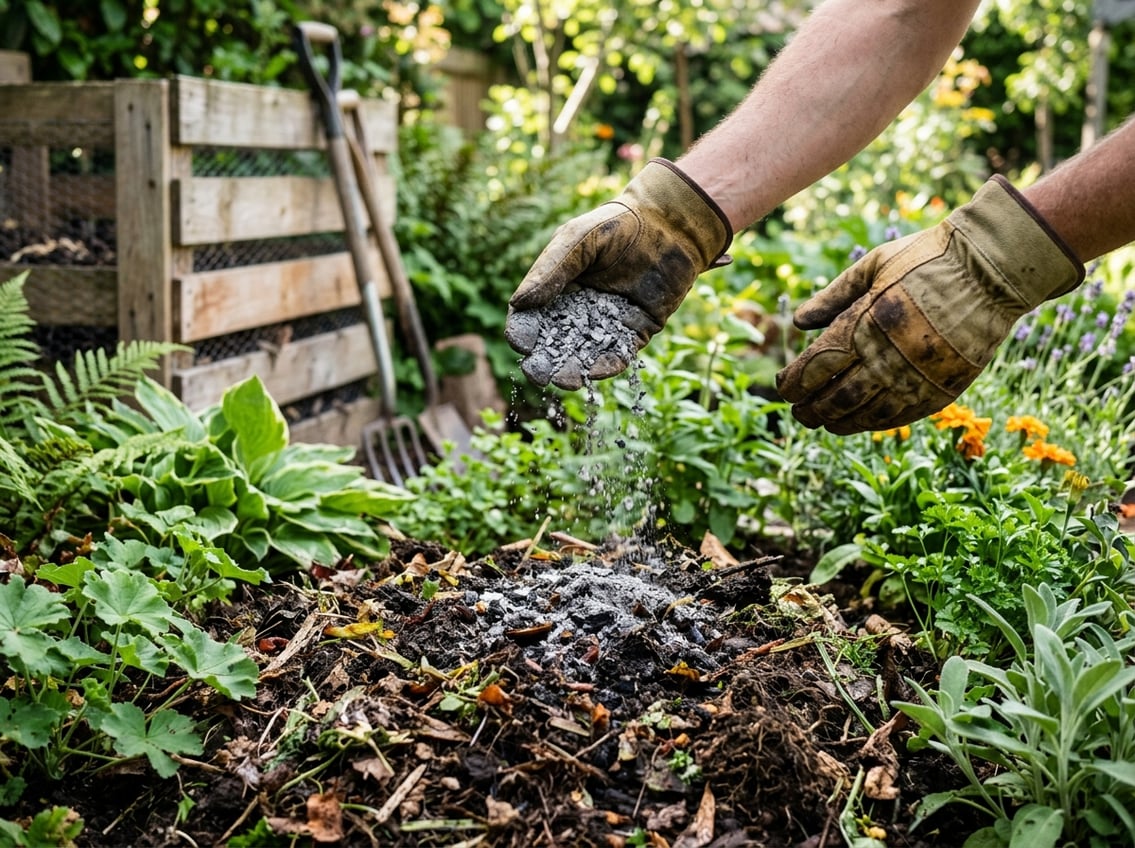
Got leftover charcoal ash after a weekend barbecue? You don’t have to toss it in the trash.
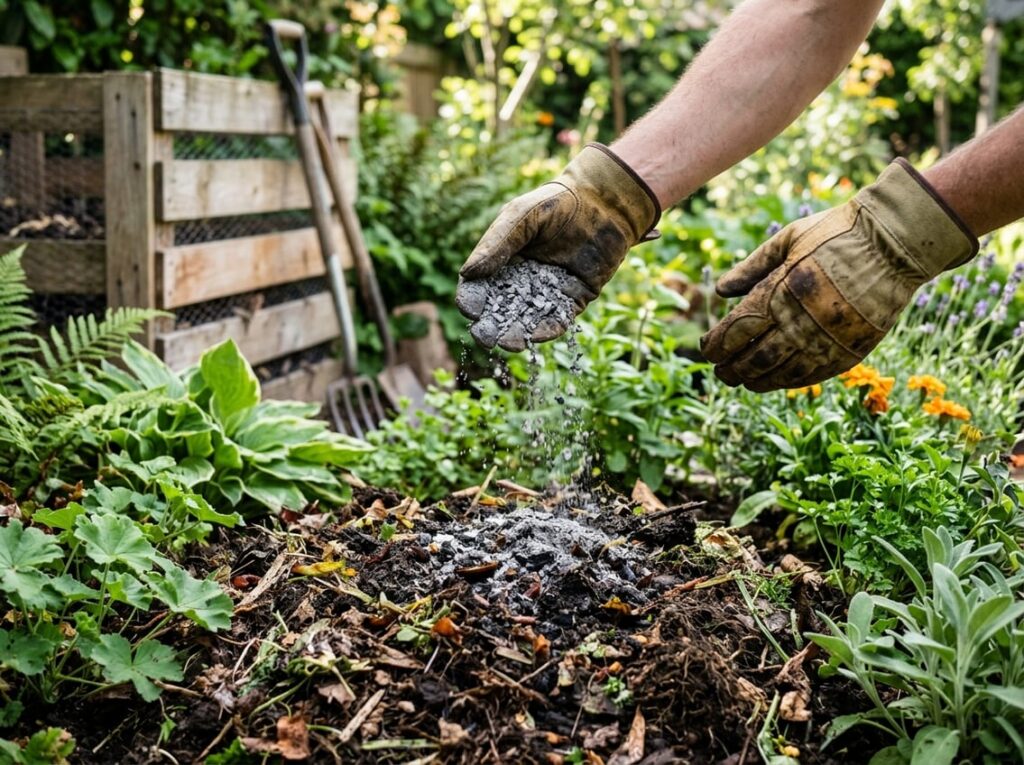
You can add charcoal ashes to your compost pile if you know what you’re doing. The trick is figuring out which types are safe and how to use them without making a mess of your garden.
Important distinction:
- Natural hardwood charcoal – Yep, you can compost it.
- Briquettes with additives – Not something you want in your soil.
When you compost charcoal safely, you cut down on waste and give your soil a little boost. Just mix in small amounts of cooled ash—dumping in a big pile isn’t a good idea.
What Types of Charcoal Can You Actually Compost? (Natural vs. Chemical Options)
Charcoal isn’t all the same. Natural lump charcoal is your best bet for composting, since it’s just wood burned down without any weird extras.
Wood-based charcoal breaks down naturally and adds carbon to your compost. Lump charcoal is generally safe to compost because it’s made by burning wood in low-oxygen conditions.
Charcoal briquettes are a different story. Most of them have chemical additives—think lighter fluid, coal dust, borax, and binding agents. Those chemicals can mess with your plants and the little critters in your soil.
Always check the packaging before tossing any charcoal into your compost. Whether charcoal briquettes can go in compost depends on the type you bought.
Natural options include:
- Pure hardwood lump charcoal
- Untreated wood charcoal
- Chemical-free briquettes (they exist, but good luck finding them)
Don’t compost charcoal that’s been treated with lighter fluid or is labeled as instant-light. These contain chemicals that can leach into your soil and do more harm than good.
Lump Charcoal vs. Briquettes: Critical Differences for Safe Composting
The charcoal you used for grilling makes a big difference. Lump charcoal and briquettes are not created equal when it comes to composting.
Pure lump charcoal is just burned hardwood—no additives, nothing fancy. You’ll often spot wood grain patterns on the odd-shaped pieces. It breaks apart easily and is safe for your compost.
Briquettes are compressed blocks made from charcoal dust, sawdust, and binders like cornstarch. Many brands throw in limestone, borax, or sodium nitrate to help them light up. Not great for your garden.
How to identify your charcoal type:
- Lump charcoal: Irregular shapes, wood grain, looks kind of rustic.
- Briquettes: Uniform, pillow-shaped, smooth with ridges.
- Look for “all-natural,” “additive-free,” or “100% hardwood” on the package.
- Skip anything that says “quick-light” or “instant light.”
Quick decision guide:
| Test | Result | Compost Safe? |
|---|---|---|
| Breaks easily, shows wood grain | Yes | ✓ Safe |
| Uniform shape, smooth texture | Yes | ✗ Probably has additives |
| Used lighter fluid or instant light | Yes | ✗ Nope |
| Package says “100% natural hardwood” | Yes | ✓ Usually safe |
If you’re not sure what you’ve got, it’s better to play it safe and keep it out of your compost. Your garden will thank you.
5 Surprising Benefits of Adding Pure Charcoal to Your Compost Bin
Pure charcoal gives your compost a carbon kick, which helps everything break down smoothly. Compost needs enough carbon—the “brown” stuff—to balance out nitrogen and avoid turning into a stinky mess.
If you don’t have enough carbon, your compost gets slimy and starts to smell. Nitrogen-rich stuff breaks down too fast without it. Charcoal helps bring things back in balance.
Charcoal ash also helps adjust pH naturally. It’s alkaline, so it works a bit like lime but without the synthetic chemicals. If your soil’s a bit too acidic, charcoal ash can nudge the pH up by about 0.5–1.0 points.
Most veggies like soil that’s somewhere between slightly acidic and neutral—pH 6.0 to 7.0. Charcoal can help you get there.
Charcoal’s porous structure is great for holding water, especially in sandy soils. You might find yourself watering less—sometimes up to 20% less—if you add charcoal to sandy spots.
Those same pores also help heavy clay soils breathe better. So whether your soil’s sandy or clay-heavy, charcoal can make a noticeable difference.
It’s also a nutrient magnet. Adding charcoal to your compost helps nutrients stick around instead of washing away in heavy rain.
That means your soil acts like a slow-release fertilizer, feeding your plants for more than just one season.
Those little nooks and crannies in charcoal are perfect hideouts for beneficial microbes. A teaspoon of compost with charcoal can have billions more helpful microorganisms than regular compost.
Microbes do their best work when they’ve got safe places to live. Using charcoal in your garden just makes sense if you want a thriving soil ecosystem.
How to Compost Charcoal Safely: 7-Step Process for Garden Success
If you’ve got the right kind of charcoal, here’s how to add it to your compost the right way.
Let it cool—completely. Wait at least 24 hours. Even if it feels cool outside, it can still be hot inside and cause a fire. Store it in a metal container with a lid for a full day.
Break it up. Smash the charcoal into pieces about half an inch across. Smaller chunks break down faster. Toss it in a cloth bag and whack it with a hammer, or use a shovel on a hard surface. Wear a dust mask—it gets dusty.
Stick to the 10% rule. Charcoal shouldn’t make up more than one-tenth of your compost pile. Too much will slow things down and can make your compost too alkaline.
Balance it out. Since charcoal is all carbon, you’ll need to add green, nitrogen-rich stuff. For every gallon of charcoal, mix in about three gallons of coffee grounds, grass clippings, or veggie scraps.
Keep an eye on moisture. Composting charcoal ash can dry out your pile. Aim for moisture that feels like a wrung-out sponge—about 50–60%. You might need to water more than usual.
Watch the temperature. Charcoal can heat up your pile by 15–25°F. That’s good for breaking things down and killing weed seeds, but don’t let it dry out.
Be patient. Your charcoal-enriched compost will need about 3–6 months to finish. It takes a little longer, but the end result is worth it.
Beyond the Compost Bin: 4 Direct Garden Uses for Charcoal Ash
Charcoal ash isn’t just for the compost pile. There are a few clever ways to use it straight in the garden.
Make a Natural Pest Barrier
Sprinkle rings of charcoal ash around plants that slugs and snails love—hostas, lettuce, strawberries. The sharp bits and dryness keep pests away. Just reapply after a good rain.
Fix Drainage Problems
Mix crushed charcoal into heavy clay soils or potting mixes (10–15% by volume). It stops soil from turning into a brick and helps water drain better. Houseplants and container gardens especially benefit.
Feed Alkaline-Loving Plants
Some plants like their soil a bit more alkaline. Garlic, onions, asparagus, lavender, lilac—they’ll appreciate a sprinkle of charcoal ash. Hydrangeas will even shift from blue to pink. Use about 1/4 cup per square foot and mix it into the top few inches.
DIY Biochar
Got woody garden waste? Make your own biochar. Stick it in a metal can with holes in the lid, heat it in a fire pit until it smokes, then let it cool. Crush it up and add to your beds.
What Should I Do with Non-Compostable Charcoal? Eco-Friendly Alternatives
If your charcoal has chemicals, you’ll need to dispose of it safely. Let the ashes cool in a metal container for at least two days. Then seal them up before tossing in the trash.
Never dump ashes in the woods or near water. Chemicals can leak into groundwater and cause real problems.
Other ways to reuse charcoal:
- Odor control: Put cooled charcoal in a mesh bag for your fridge or basement.
- Ice melt: Sprinkle it on icy driveways for traction.
- Rust prevention: Toss some in your toolbox to soak up moisture.
When to skip charcoal in the garden:
- You grow acid-loving plants—blueberries, azaleas, rhododendrons.
- You just used acidifying fertilizers.
- Your soil pH is already above 7.0.
- You’re gardening in containers with not much soil.
Better options for next time:
Try compost-friendly charcoal like additive-free lump brands—Cowboy, Fogo, Royal Oak. Or check out coconut shell or olive pit charcoal made from agricultural byproducts.
Real Results: How Gardeners Successfully Use Charcoal in Their Gardens
Sarah gardens in the city, out in Zone 6. She crushed up lump charcoal and mixed it into her compost over winter.
By spring, her compost turned rich and dark. She spread it in her tomato beds and ended up harvesting over 30% more tomatoes than last year.
She also saw fewer issues with blossom end rot. Not bad for such a simple experiment.
A community garden in Portland kept records after one season of using charcoal-amended compost:
- Cation exchange capacity (CEC) jumped from 10 to 15 meq/100g.
- Phosphorus retention improved by about 25%.
- pH stayed more stable through the growing season.
- Nitrogen leaching dropped during heavy rain.
The Oakdale Community Garden tried a side-by-side test. Half their plots got standard compost, and the other half got compost with charcoal mixed in.
After one season, the charcoal-amended beds produced 22% higher yields for leafy greens. Those beds also held water better during summer droughts and didn’t get as compacted in the heavy clay spots.
Gardeners who use charcoal in their gardens mention a bunch of other perks. You might water 1-2 times less each week.
Many folks see less powdery mildew and other fungal diseases. Plants seem to grow more evenly and just keep producing longer.
Your Next Steps: From BBQ to Garden in 3 Simple Moves
After your next cookout, let the charcoal cool all the way—give it at least 24 hours. Pull out any big, unburned pieces to reuse next time.
Crush the cooled ash and charcoal into smaller bits before you add them to your garden. It doesn’t take much effort, and it mixes in easier that way.
When you’re shopping for charcoal to compost, stick with natural options under $15. Cowboy 100% Natural Lump Charcoal, Fogo Super Premium Hardwood Lump Charcoal, Royal Oak 100% Natural Hardwood Lump Charcoal, and Big Green Egg Natural Lump Charcoal all work well.
Try this out in just one small section of your garden. Keep a little journal to track what happens.
Test your soil pH before you add charcoal and again a few weeks later. Don’t let charcoal make up more than 10% of your total compost volume.
Plant the same thing in two different spots—add charcoal to one, not the other. Use the same watering and care for both.
Watch how each set of plants grows and compare their health and water needs as the season goes on.
Frequently Asked Questions About Composting Charcoal
How long does charcoal take to break down in compost?
Pure lump charcoal usually takes 6-12 months to break down in an active compost pile. If you crush it up first, it breaks down a little faster.
Can I add BBQ charcoal ash directly to my vegetable garden?
Only add ash from untreated lump charcoal—no additives or lighter fluid. Use it sparingly: no more than 1/4 cup per square foot, and mix it into the soil.
Will charcoal make my soil too alkaline for acid-loving plants?
Charcoal ash is alkaline, so it can raise your soil pH. Keep it away from blueberries, azaleas, rhododendrons, and other acid-loving plants.
Is fireplace ash the same as charcoal for composting purposes?
Fireplace ash isn’t quite the same. It tends to be even more alkaline and might have bits of treated wood, paper, or other stuff you don’t want in your soil. Use it even more sparingly, and only if you know you’ve burned untreated hardwoods.
How can I tell if my charcoal contains harmful additives?
Check the packaging for words like “quick light,” “instant,” or “easy lighting.” Those mean chemicals are in there. Pure lump charcoal will list only hardwood or specific wood types as ingredients.
Can I put charcoal ash in my worm bin or will it harm the worms?
Don’t put charcoal ash directly in your worm bin—the alkalinity can hurt your worms. Instead, add small amounts of well-aged charcoal compost to your worm bin.
Does composting charcoal attract or repel garden pests?
Properly composted charcoal doesn’t really attract or repel pests much. Fresh ash can help keep slugs, snails, and a few soft-bodied bugs away.
Frequently Asked Questions
Is it safe to add leftover charcoal pieces to a compost pile?
Skip the charcoal briquettes. Most have chemical additives and binders that can hurt your compost and plants. Those things don’t break down well and can leave behind stuff you really don’t want in your soil.
Natural lump charcoal is safer, but it still takes a long time to break down—sometimes years.
If you want to use charcoal for your garden, biochar’s a better bet. Biochar’s made for soil improvement and doesn’t have the nasty chemicals.
Can charcoal ash from a grill be mixed into compost?
It depends on the charcoal. Natural wood charcoal ash can be added to compost in small amounts. That ash gives your compost potassium and other minerals.
But ash from charcoal briquettes? Don’t use it. The chemicals and additives stick around in the ash and can harm your plants.
Always add ash to compost in small amounts. Too much will make your compost too alkaline.
What is the best way to dispose of charcoal ash if it cannot be composted?
Wait until the ash is totally cool. Hot ash can still start fires, even if it looks cold. Let it sit for at least 48 hours after your last fire.
Once it’s cool, put the ash in a metal container with a tight lid. Then just toss it with your regular trash.
Never put hot or warm ash in plastic bins or paper bags. That’s just asking for trouble.
If your ash comes from natural wood charcoal without additives, you can sprinkle a thin layer right onto your garden beds. Just don’t go overboard.
Does the type of charcoal (lump vs. briquettes) affect whether it can go into compost?
Absolutely, the type matters. Here’s the quick comparison:
Lump Charcoal:
- Made from natural hardwood
- No added chemicals
- Burns hotter and cleaner
- Safer for limited garden use
Charcoal Briquettes:
- Made with coal dust, sawdust, and binders
- Includes chemical additives for easy lighting
- Might have borax, limestone, sodium nitrate, and more
- Shouldn’t be composted
Even natural lump charcoal breaks down really slowly. The usefulness of charcoal in compost depends on what kind you’re using.
How does adding charcoal or ash impact compost pH and nutrient balance?
Charcoal ash is very alkaline, with a pH between 9 and 13. Adding too much will spike your compost pH way up. Most plants like soil with a pH between 6 and 7.
Wood ash and natural charcoal ash add these nutrients:
| Nutrient | Benefit |
|---|---|
| Potassium | Helps plants develop strong roots and resist disease |
| Calcium | Strengthens plant cell walls |
| Magnesium | Needed for photosynthesis |
| Phosphorus | Promotes flowering and fruiting |
Keep ash to no more than 5% of your total compost. Sprinkle it in thin layers instead of dumping it all in one spot.
Blueberries, azaleas, and rhododendrons hate alkaline soil. Don’t use ash-enriched compost around them.
How should charcoal ash be cooled and stored before handling or disposal?
Let your grill or fire pit cool down all the way before you go near the ash. Seriously, this can take way longer than you’d expect. Sometimes, ash stays hot inside for up to 72 hours.
Here’s what works for safe cooling:
- Stop adding new charcoal and let the fire die out on its own.
- Close all the vents to cut off the oxygen.
- Keep the lid shut for at least 48 hours.
- Hold your hand a few inches above the ash to check if it’s still warm.
Once everything’s cool, scoop the ash into a metal container with a lid. Metal’s good because it won’t catch fire if there’s a sneaky hot spot. Keep the container on something that doesn’t burn, like concrete or gravel.
Skip cardboard boxes, plastic bins, or paper bags for storage. Those can catch fire if the ash isn’t totally cold. Don’t dump ash straight into trash bags or outdoor bins until you’re sure it’s cold enough to touch.