
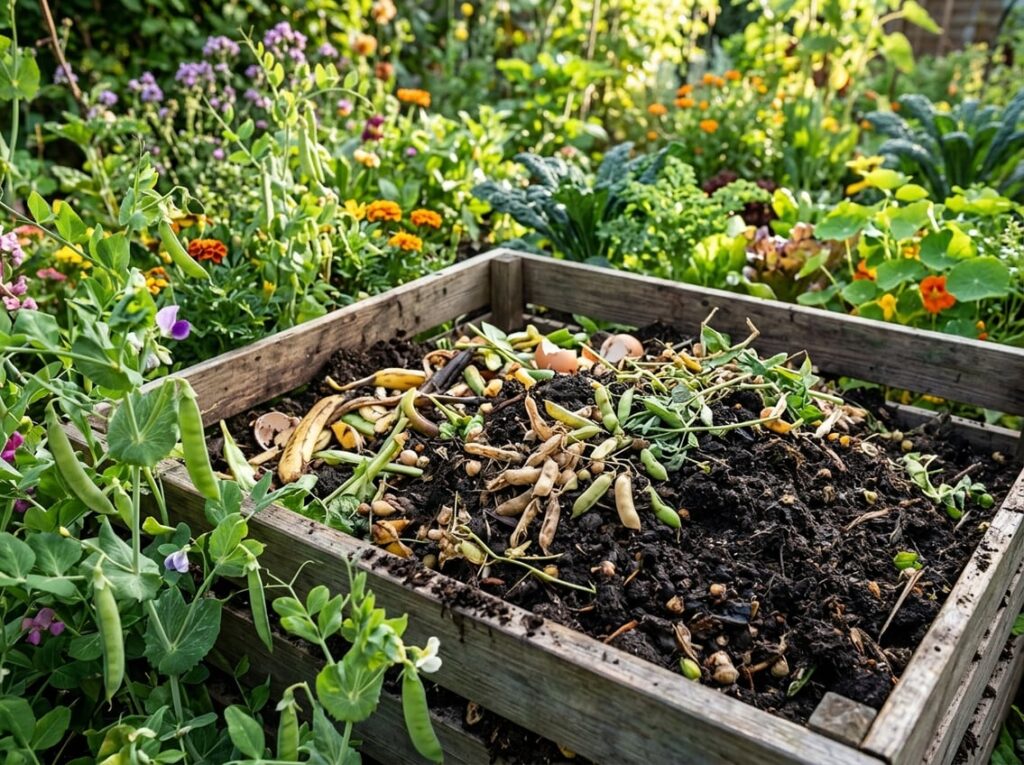
Can You Compost Chickpeas? Turn Legume Waste into Garden Gold in 3-4 Weeks
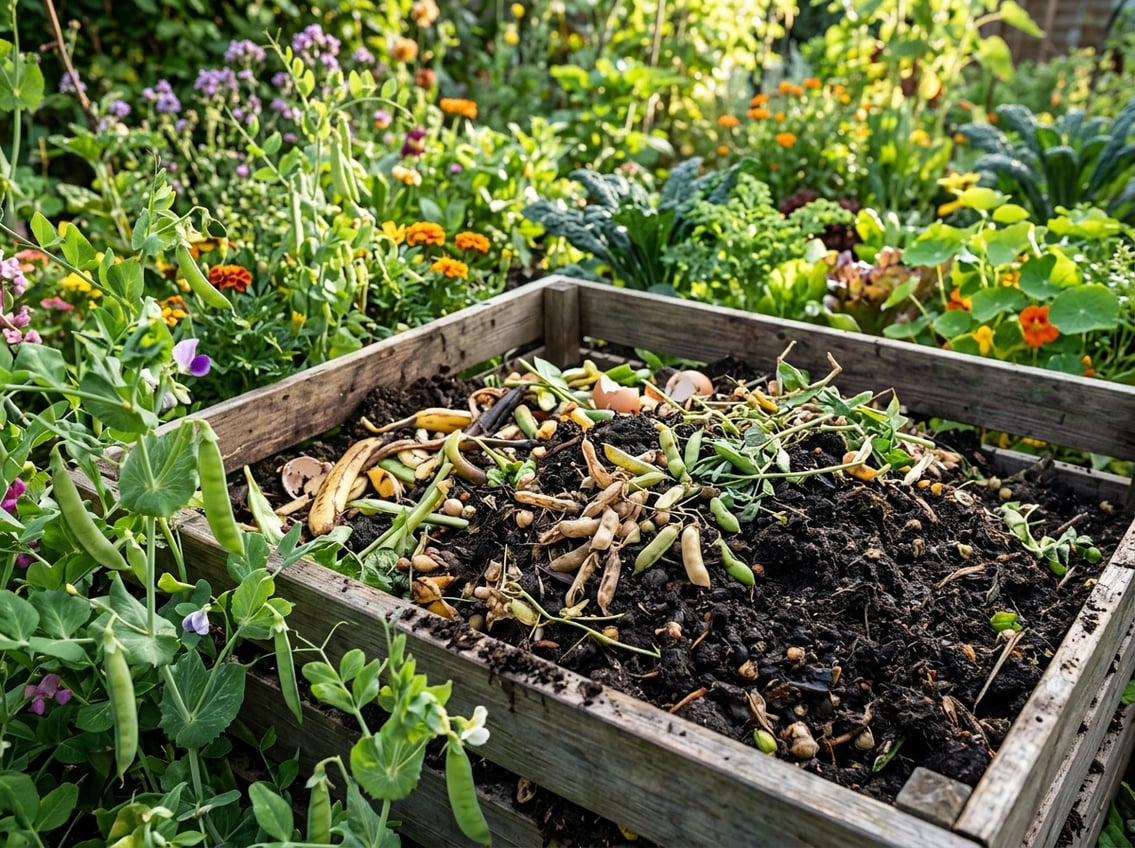
You can toss chickpeas in your compost pile—dried, cooked, or even the leftover cooking water. Chickpeas enrich your compost with nitrogen, phosphorus, and potassium.
That old hummus container or dried chickpeas you forgot about? They can actually become garden gold instead of trash.
Best practices for composting chickpeas:
- Rinse off any seasonings or oils from cooked chickpeas
- Chop larger pieces to help them break down faster
- Mix with dry materials like leaves or straw for balance
- Turn your pile regularly to keep things moving
Kitchen composting methods like worm bins or classic backyard piles both work for chickpea waste.
Why Composting Chickpeas Matters for Your Garden Success
American families throw away nearly a third of their food every year. Chickpeas often end up in the trash as leftover hummus, dried beans, or even that cloudy cooking water.
When you send this organic waste to the landfill, it creates methane gas and pollutes the environment. Your compost bin offers a much better option.
Composting chickpeas turns kitchen scraps into valuable organic matter for your garden. Chickpeas have 20-23% protein, which breaks down into nitrogen.
This nitrogen supports plant growth and helps veggies grow lush, green leaves. You’re making free fertilizer while cutting down on waste—win-win.
Chickpeas as Compost Material
| Feature | Details |
|---|---|
| Material Type | Green (nitrogen-rich) |
| Carbon Ratio | Approximately 12:1 |
| Decomposition Time | 3-4 weeks when properly prepared |
| Best Added As | Crushed or chopped, buried 6-8 inches deep |
| Weekly Limit | 1 cup per standard 3×3′ bin |
When chickpeas break down, they also improve soil structure and help your garden beds hold more water. That means your plants can get through dry spells a bit easier.
Watch out for salt in canned chickpeas and oily dishes. Blending cooked chickpeas with water can speed up composting to just 10-12 days if you mix them with lots of carbon-rich materials like leaves or shredded paper.
Yes, Chickpeas Are Compostable! 3 Key Considerations
You really can add chickpeas to your compost bin without worrying. Garbanzo beans break down completely in 3-4 weeks if you prep them right.
Chickpeas are nitrogen-rich “greens” in composting. Their protein-to-carb ratio is higher than most kitchen scraps, making them a powerful boost for your pile.
While you might toss in banana peels or coffee grounds, chickpeas deliver a concentrated punch of nitrogen that fires up the microbes.
Three things matter most when you compost chickpeas:
- Preparation method – How you prep them affects how fast they break down
- Quantity added – Too much protein-rich stuff can throw things off
- Carbon balance – Offset chickpeas with “browns” like leaves or straw
Get these right, and chickpeas actually help your compost break down faster. They enrich your soil with nutrients instead of causing issues.
Chickpea Nutrition Profile: What Makes Them Compost Superfoods
Chickpeas are kind of a superfood for your compost bin. Their 20-23% protein content means they add a lot of nitrogen, which eventually turns into the nitrates your plants need.
Their carbs—about 57-60%—give bacteria and fungi instant fuel. That’s what gets the whole decomposition process humming along.
Key nutrients chickpeas add to compost:
- Nitrogen from protein
- Phosphorus for roots
- Potassium for plant health
- Carbs for the microbes
The fiber (17-21%) helps your compost hold water and improves structure. As it breaks down, it forms humic substances that make soil richer.
Chickpeas can be composted in 3-4 weeks with a little prep, which is actually faster than most veggie scraps. They kind of act like slow-release fertilizer packets, giving your garden a steady boost.
5 Ways to Compost Different Forms of Chickpeas Properly
1. Raw/Dried Chickpeas
Those rock-hard chickpeas in the pantry? They’ll break down if you help them out a bit.
Preparation steps:
- Soak for 4-8 hours before adding
- Crush lightly after soaking to make more surface area
- Mix with carbon materials at a 1:3 ratio
Soaking softens them, and crushing gives bacteria a way in. Combine one part chickpeas with three parts browns like dry leaves or cardboard.
2. Cooked Plain Chickpeas
Leftover cooked chickpeas break down faster than dried ones. Cooking already softens them.
Crush them with a fork to open them up. Mix with carbon-rich materials like shredded paper or leaves, and bury 4-6 inches deep to avoid pests.
3. Chickpea Cooking Water
That leftover water after you boil chickpeas has nutrients your garden loves.
| Use Method | Ratio | Application |
|---|---|---|
| Direct plant watering | 1:5 | Dilute with regular water |
| Compost moisture | Full strength | Pour over dry materials |
Let the water cool before adding it to your compost. Hot water can hurt the good microbes.
4. Processed Products (Hummus, Falafels)
Hummus and falafels have oils and salt, so compost them carefully. Bury these about 6-8 inches deep to keep animals away.
Add just 1 cup per week to a standard bin. Use extra carbon at a 3:1 ratio to soak up the oils.
5. Aquafaba (Canned Liquid)
That thick liquid from canned chickpeas? It works in compost if you dilute it.
Mix it with equal parts water to reduce the salt. Pour it over carbon materials—don’t just dump it in one spot. Stick to 1 cup per week in a standard bin.
Solving 4 Common Chickpea Composting Challenges
Problem: Oil Content in Hummus and Prepared Dishes
Store-bought hummus and homemade chickpea dishes usually have olive oil or tahini. Oils slow down decomposition if you add too much.
Solutions:
- Limit additions to 1 cup per week in a 3×3′ compost bin
- Mix with 2-3 cups dry carbon materials like leaves or paper
- Turn your compost more often to keep air flowing
Problem: Salt Content in Canned or Prepared Chickpeas
Too much salt can mess with your compost microbes. It might even harm plants when you use the finished compost.
Solutions:
- Rinse canned chickpeas for 30 seconds to wash away up to 40% of sodium
- Keep salted stuff to no more than 10% of your weekly compost
- Add plenty of fresh, unsalted kitchen scraps and yard waste
Problem: Attracting Pests to Your Compost
Protein-rich foods like chickpeas can attract unwanted visitors. Rodents love that smell.
Solutions:
- Bury chickpea waste 6-8 inches deep and cover with carbon materials
- Add a 2-inch layer of dry leaves or straw on top of new additions
- Try a rodent-resistant compost bin with tight sides and a secure bottom
Problem: Slow Breakdown of Whole Chickpeas
Whole chickpeas can take their sweet time to decompose. Chickpeas decompose completely in compost within 3-4 weeks if you prep them right.
Solutions:
- Crush or chop them before adding
- Keep moisture like a wrung-out sponge (about 40-60% humidity)
- Balance greens and browns to keep the pile hot enough
7 Best Practices for Fast Chickpea Composting
Stick to a 3:1 ratio of carbon to chickpeas for best results. Browns like dry leaves and shredded paper balance out the nitrogen in chickpeas.
Crush or chop chickpeas before tossing them in. More surface area means microbes can get to work faster—sometimes 30-50% faster.
Bury chickpea waste 6-8 inches deep in your pile. Pests stay out, and the conditions underground help things break down.
Keep moisture at 40-60%. The pile should feel like a wrung-out sponge. Too wet? It’ll stink. Too dry? Everything slows down.
Turn your compost weekly to mix chickpeas with other scraps and add oxygen. Flipping the pile helps everything decompose faster.
Limit chickpeas to 10-15% of your bin’s total volume. Too many at once can make the pile go slimy or stinky.
Check the temperature in the center of your pile. If you’re doing it right, it’ll hit 120-140°F, which means your compost is cooking along.
Beyond Composting: 3 Creative Uses for Chickpea Waste
You don’t have to compost chickpea waste the usual way. There are a few creative tricks for getting those nutrients into your garden more directly.
1. Direct Garden Trench Method
Try composting chickpeas right in your garden beds. Dig an 8-inch trench between plant rows in the fall or off-season.
Add chickpea waste mixed with other kitchen scraps. Cover with 6 inches of soil.
The waste breaks down underground over 2-3 months. When planting season comes around, you’ll have a nutrient-rich bed ready to go.
2. Chickpea Water as Liquid Fertilizer
Leftover chickpea cooking water makes a surprisingly good liquid fertilizer. Mix one part chickpea water with five parts clean water.
Pour it around hungry plants like tomatoes or squash every 2-3 weeks during the growing season. Let it cool first—no one likes hot roots.
3. Worm Bin Additions
Your worm composting system can turn chickpeas into super-rich worm castings. Add no more than 1/4 cup per week to a home worm bin.
Tips for vermicomposting chickpeas:
- Crush or blend chickpeas before adding
- Bury under bedding
- Smaller pieces get eaten faster
- Harvest worm castings after about 2 weeks
There you have it—chickpeas aren’t just good for dinner, they’re great for your garden too.
Troubleshooting: Why Isn’t My Chickpea Compost Working?
If your compost pile just isn’t doing its thing, don’t panic. Figuring out the issue early makes it easier to fix.
Composting needs the right balance of food, water, and oxygen so those tiny microbes can actually get to work.
Slow breakdown? Is your pile too dry or soggy? Aim for the moisture of a wrung-out sponge.
If things seem stuck, toss in about 25% more carbon materials.
Bad smells? You’re probably dealing with too much water or not enough air. Add some dry leaves and give the pile a good turn.
A healthy compost pile smells earthy, not like something died in there.
Pests showing up? Bury chickpea scraps at least 8 inches deep. Secure your bin with 1/4-inch hardware cloth.
Cover new additions with a thick layer of browns.
Pile too hot? Ease up on the protein-rich stuff and add more browns to keep things cooler. Once temps go above 160°F, you’ll lose the helpful organisms that make compost magic happen.
From Chickpea Waste to Garden Abundance
When you compost chickpeas the right way, they give back nutrients to your garden. Nitrogen, phosphorus, and trace minerals in those chickpeas become food for your next crop.
To start composting chickpeas:
- Try adding just 1 cup per week at first.
- Watch how your compost reacts to this protein-rich addition.
- Keep an eye on how fast things break down as the seasons change.
In summer, compost finishes faster because microbes love the heat. Every compost setup is a little different, depending on your climate and what you toss in.
Chickpeas that didn’t make it to dinner can still help your garden thrive. You can use your chickpea compost as mulch or mix it right into your beds.
By keeping this nutritious waste out of the landfill, you’re making better soil and helping the planet just a little.
FAQ: Common Questions About Composting Chickpeas
How long do chickpeas take to break down?
Chickpeas break down in compost in about 3-4 weeks if your pile is active. Crushing or chopping them first speeds things up—sometimes by half!
Can you compost spoiled hummus?
Yep, you can toss old hummus in your compost, but keep it to 1 cup a week in a standard bin. Bury it 6-8 inches deep to keep critters away.
Balance the oils in hummus with carbon-rich stuff like leaves or shredded paper so it breaks down better.
Will chickpeas bring rats to your bin?
Not usually, as long as you bury them 6-8 inches deep and cover with browns. A secure bin with 1/4-inch hardware cloth helps keep pests out.
Should you compost chickpeas or give them to animals?
Composting chickpeas is safer than feeding them to wildlife. Processed chickpeas often have salt, oils, or seasonings that aren’t good for animals.
Frequently Asked Questions
Are cooked legumes suitable for a home compost bin?
Definitely! Cooked legumes break down faster than raw ones because cooking softens them up. Microbes love that.
Let cooked legumes cool before adding them to compost. Hot food can harm the good microbes.
Scrape off any oils, butter, or heavy sauces first—they slow things down and can smell bad.
Cooked legumes count as greens, so balance them with browns like dried leaves or cardboard. Aim for about three parts brown to one part green.
Do canned beans need to be rinsed before adding them to compost?
You should rinse canned beans before adding them to your pile. The liquid from the can is salty and full of preservatives that aren’t great for compost microbes.
Salt can build up in your compost and mess with your plants later. A quick rinse under cold water does the trick.
Drain the beans well so you don’t add too much water to the bin.
Aquafaba—the liquid from canned chickpeas—can go in the compost too, but dilute it with water (1:3 ratio) first to cut down the salt. Here’s how.
Will adding legumes to compost attract pests or rodents?
Legumes can draw pests if you’re not careful. Rodents and bugs love protein-rich scraps like beans and chickpeas.
Bury legumes in the center of your pile and cover them with at least 6 inches of browns. That helps block smells and makes it tougher for critters to find them.
You might also want to:
- Keep the pile moist but not soggy
- Turn it often to help it break down faster
- Use a closed bin with a tight-fitting lid
- Avoid dumping in big loads of legumes all at once
- Chop or mash legumes before composting
How long do legumes typically take to break down in compost?
Chickpeas break down in 3-4 weeks if you prep them right. Other legumes are pretty similar, though there’s always some variation.
A few things change the pace:
| Factor | Effect on Decomposition |
|---|---|
| Size | Smaller pieces break down faster |
| Moisture level | Damp conditions speed decomposition |
| Temperature | Warm piles work faster than cold ones |
| Cooked vs. raw | Cooked legumes decompose more quickly |
| Pile turning | Regular turning provides oxygen and speeds breakdown |
Raw beans take longer—sometimes 6-8 weeks or more. Chopping or crushing before adding them really helps.
Should legumes be composted only in small amounts to avoid odors?
Go easy on legumes to avoid a stinky mess. Too much nitrogen-rich stuff at once can make compost slimy and smelly.
A balanced pile shouldn’t smell bad at all. If you add too many legumes, you risk making it go anaerobic—basically, it starts rotting instead of composting.
Here’s what works:
- Keep legumes to 25% or less of your total compost additions
- Spread out legume scraps over several weeks
- Mix them well with browns right away
- Watch for ammonia smells (that’s a sign of too much nitrogen)
If things start to smell off, just add more browns and give the pile a good turn.
Can legumes be added to a worm bin, and if so, how should they be prepared?
You can toss legumes into a worm bin, but it’s important to prep them first. Worms munch on decomposing stuff, not fresh food.
They definitely handle softer things better than tough, raw beans. Cooked and mashed legumes are way easier for worms to eat.
If you want to add legumes, chop or crush them into small pieces. That way, worms can get to work fast.
Here’s one way to prep legumes for your worm bin:
- Cook or soak raw legumes until they’re soft.
- Mash or chop them up—smaller is better.
- Let them cool down before adding.
- Bury the pieces under the bedding in your bin.
- Only add a little at a time.
Try starting with just a tablespoon or two per feeding. See how fast the worms go through it. If they’re handling it, you can add a bit more next time.
Just don’t overdo it—too many legumes can make the bin acidic, and nobody wants unhappy worms.