
Frequently Asked Questions
Are cooked bones acceptable in a home compost pile?
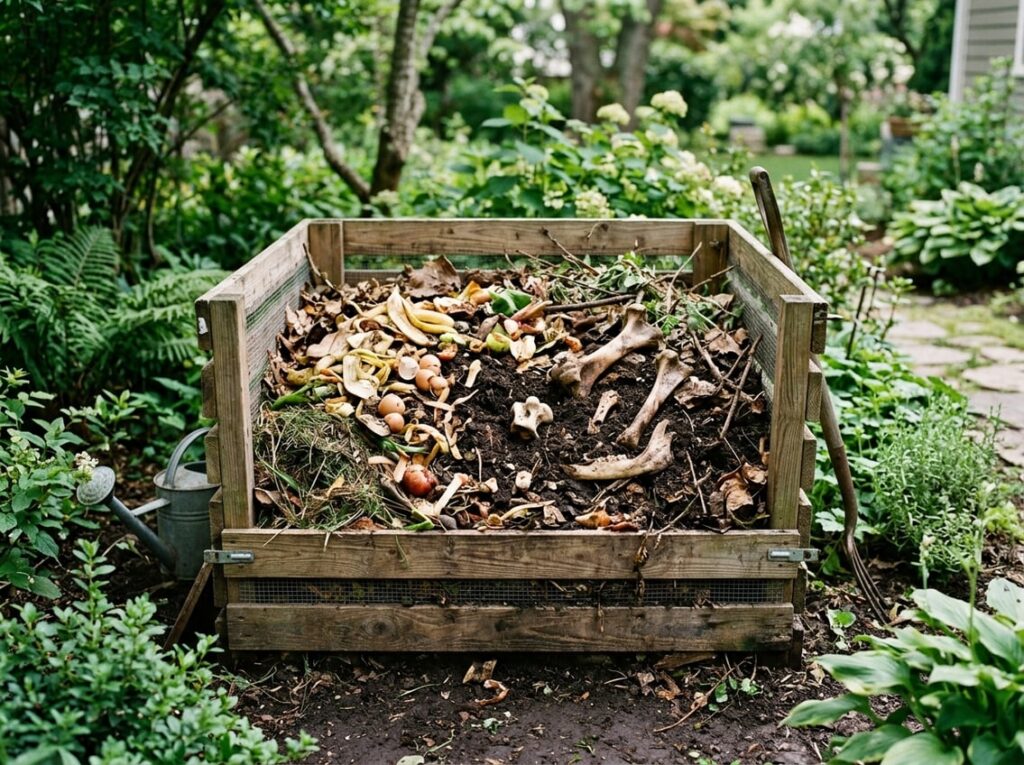
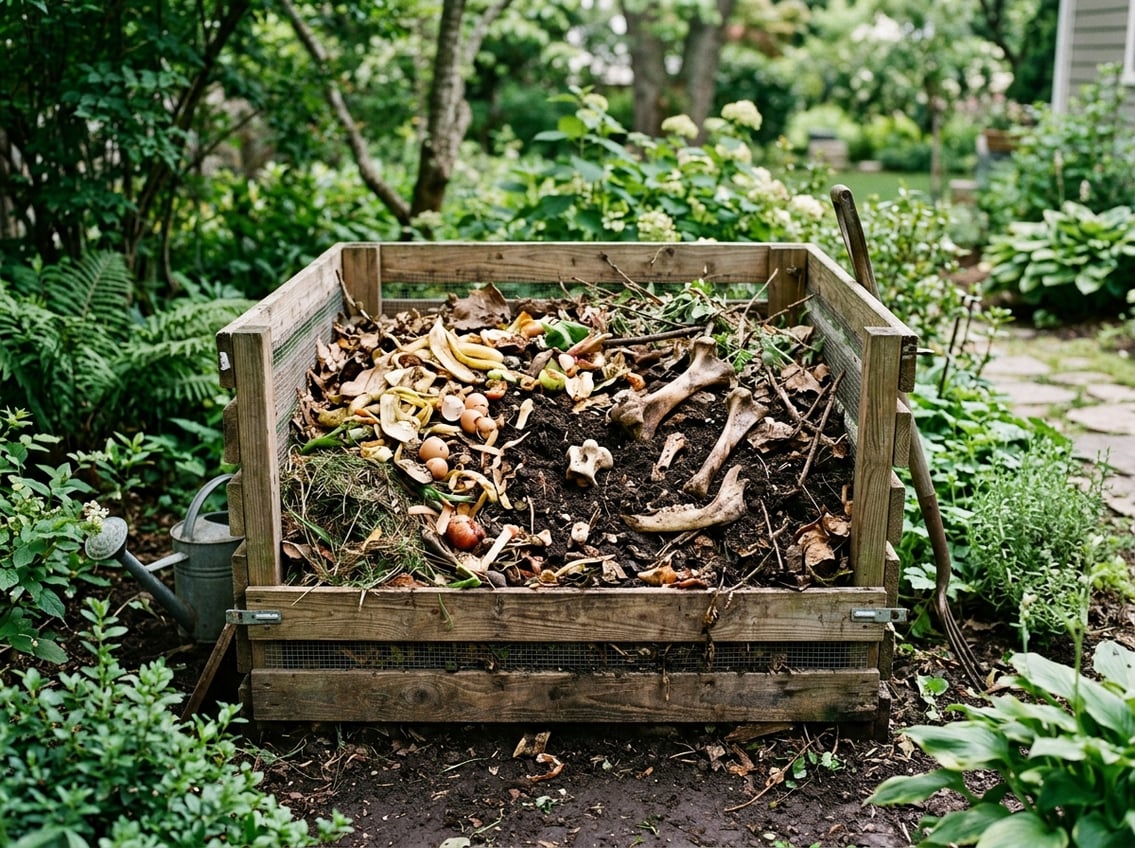
You can add cooked bones to your home compost pile. Both cooked and raw bones will eventually break down, but cooked bones tend to decompose a bit faster since they’re more brittle.
That said, bones can be tricky to compost in a backyard setup. They break down much slower than veggie scraps or eggshells.
If you want to compost cooked bones, break them into smaller pieces first. This helps speed things up quite a bit.
Will bones decompose in compost, and how long does it typically take?
Bones will decompose in compost, but patience is key here. The timeline depends on a few things:
- Size of the bones: Chicken bones disappear way sooner than big beef bones.
- Temperature: A hot compost pile works much quicker.
- Moisture levels: Compost that’s not too dry or soggy helps bacteria work better.
- Bone preparation: Crushed or ground bones go faster.
In a typical backyard bin, small bones might take months to a year to break down. Big ones? Maybe several years. It’s nothing like tossing in carrot peels or grass clippings, which vanish in weeks.
How can bones be broken down or processed to help them decompose faster?
You’ve got a few options if you want to speed things up.
Breaking bones into smaller pieces works best. Smash them with a hammer or cut them up with a sturdy knife—just watch your fingers.
Boiling bones first softens them and makes them easier to break apart. It also gets rid of some fats and oils that can slow things down. Prepping bones the right way goes a long way.
Grinding bones into powder with a food processor or blender is the fastest route. Bone meal will break down in weeks, not years.
Keep your compost hot—aim for 130-150°F if you can. Turn it often and keep it moist, but not soaked.
Do bones attract pests or create odors when added to compost?
Bones can attract pests to your compost pile. Animals like rats, raccoons, and even neighborhood dogs might go digging for them.
Raw bones are usually worse for this because they often have bits of meat or fat left on them. Those smells can carry pretty far.
To cut down on pest problems when composting bones safely:
- Bury bones in the center of your pile.
- Cover them with brown materials like leaves or sawdust.
- Use a compost bin with a secure lid, not an open pile.
- Remove any meat scraps before composting bones.
- Try a tumbler composter if pests are a big issue.
If you’re in an area with lots of wildlife or you’ve had pest trouble before, maybe skip bones altogether.
Are bones allowed in municipal green bins or curbside organics programs?
Most cities don’t allow bones in green bins or curbside organics. Rules change from place to place, but bones usually end up on the “no” list.
Industrial composting facilities work a bit differently than backyard bins. They can handle more stuff, but bones are still a headache:
- They take longer to break down than most other items.
- They can jam or damage equipment.
- Sometimes, they just don’t decompose before the compost gets sold.
Check your local guidelines before tossing bones in the green bin. Your city or waste collector should have a list of what’s in and what’s out. Some programs allow small fish or chicken bones, but big beef or pork bones are almost always banned.
If your area doesn’t take bones, toss them in the trash instead. Not ideal, but that’s usually the safest bet.
What food scraps should be kept out of compost to avoid contamination or problems?
Several kinds of food waste just don’t belong in your compost pile. Leaving them out can save you a lot of hassle.
Meat and fish scraps take forever to break down and tend to attract unwanted visitors. They smell awful as they rot. That means bones, fat, skin, and organs are all a no-go.
Dairy products like cheese, milk, yogurt, and butter can really stink up the pile. Animals love to dig them out, and they get weirdly slimy, slowing everything down.
Oils and grease are troublemakers because they coat everything and block air and water. That stops the pile from breaking down and leaves you with a stinky mess.
Processed foods loaded with salt, sugar, or preservatives aren’t great for compost critters. It’s best to skip those leftovers that are heavy on seasonings.
Pet waste from cats and dogs isn’t safe for compost, especially if you’ll use it on food gardens. It can carry bacteria and parasites that stick around.
Diseased plants can spread problems to the rest of your garden if you compost them. If a plant looks sick or is covered in pests, it’s better to just toss it.
You’ll get the best compost if you stick to veggie scraps, fruit peels, coffee grounds, tea bags, eggshells, yard waste, and paper products. These break down fast and give you rich, healthy compost without the headaches. If you want more tips, check out the best composting results.