
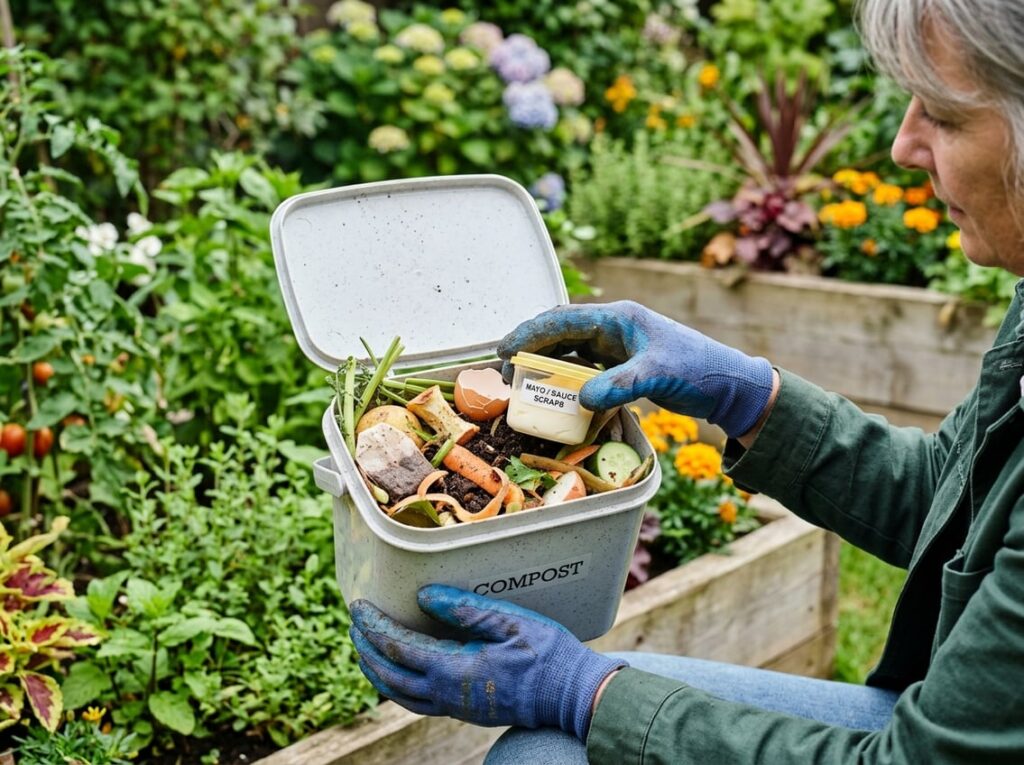
Why Most Gardeners Wonder About Composting Mayonnaise
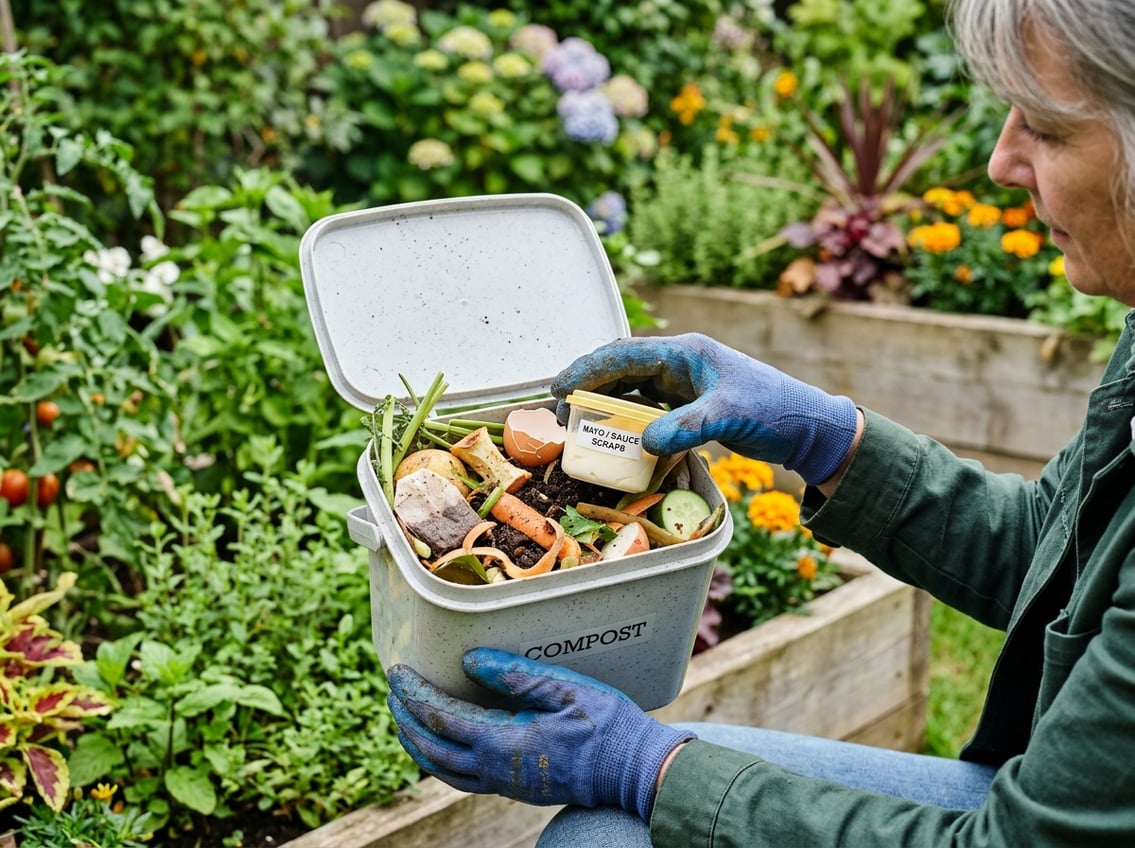
You probably have an expired jar of mayonnaise sitting in your fridge right now. When you notice it’s past its date, you face a decision about what to do with it.
If you compost, you might wonder if mayo has a place in your bin. Mayonnaise is a bit of a wild card—it’s not as clear-cut as fruit peels, but it’s not quite as off-limits as meat.
This confusion comes from mayo’s unique ingredients and what they might do to your compost pile. Oils and eggs behave differently from your average kitchen scraps.
The good news? Mayo can break down pretty quickly—sometimes in just 3-4 weeks if you use the right methods.
You’ll want to know how to add it without attracting pests or making your bin smell like a science experiment gone wrong.
Specifics like burial depth, carbon-to-nitrogen balance, and temperature all matter here. If you skip these, your compost could turn into a headache.
But with a few tricks, you can turn that kitchen waste into something your garden will love.
Quick Reference Guide: Composting Mayonnaise
You can add mayonnaise to your compost as a green material, but keep it to a minimum. Try not to add more than ½ cup per cubic yard of active compost.
Bury it at least 12 inches deep in the center of your pile. Mix it well with four parts brown materials like leaves or shredded paper.
Composting mayo takes a little more attention than tossing in apple cores. The high oil content means you need extra carbon-rich stuff to soak it up and keep things from getting slimy.
Turn your pile every week or two to keep air moving.
What Mayonnaise Adds:
- Fats that help fungi grow
- Extra moisture for dry piles
- Slow-release energy for microbes
What to Watch For:
- Pests sniffing out the fats and oils
- Funky smells from lack of air
- Greasy patches that keep water out
Aim for a pile that’s damp like a wrung-out sponge, not dripping wet. Mix nitrogen-rich greens with carbon-rich browns for the best results.
What Makes Mayo So Tricky to Compost Quickly?
Mayonnaise can be a pain in compost bins because of its makeup. It’s mostly oil—about 70-80%—with egg proteins and vinegar mixed in.
The Oil Problem
Fats and oils take way longer to break down than plant scraps. Most compost microbes aren’t great at digesting lipids.
The bacteria that do tackle fats need a lot more oxygen than the ones munching on veggie peels.
Animal Proteins Attract Pests
Eggs in mayonnaise can attract pests to your compost. Within a day or two, you might notice flies, rodents, or even curious pets poking around.
Animal-based ingredients send out strong scents that travel farther than most plant scraps.
Odor Issues
If you don’t mix mayo in well, you’ll get bad smells fast. Oils can clump up and block oxygen, turning parts of your pile anaerobic.
Those spots start to rot and release sulfur compounds that smell like rotten eggs.
Balance Problems
Your compost works best with a carbon-to-nitrogen ratio around 30:1. Mayonnaise piles on the carbon with all that fat but doesn’t bring much nitrogen to the party.
If you add too much mayonnaise, your whole pile can slow to a crawl.
Mayo is one of those tricky kitchen items that needs extra care in composting. A few extra steps can save you a lot of trouble.
5 Essential Facts About Composting Mayonnaise Successfully
You can compost mayonnaise, but you’ve got to use the right approach. Mayonnaise breaks down in 3-4 weeks if you handle it well.
Quantity Limits Matter More Than You Think
Stick to less than ½ cup of mayo per cubic yard of compost. Your compost microbes can only handle so much fat at once.
If you dump in too much, the oils overwhelm the bacteria and everything slows down.
Mayonnaise leftovers count as Green materials. Keep quantities low and make sure there’s plenty of airflow.
Temperature Requirements You Can’t Ignore
Your compost pile needs to hit at least 120°F (49°C) for oils to break down well. At this temp, heat-loving bacteria can get the job done.
If your pile stays cool, especially in winter, mayo just sits there and invites pests.
Watch for These Warning Signs
| Problem Sign | What It Means |
|---|---|
| Oily surface patches | Too much fat for your pile |
| Rancid smell for days | Decomposition has stalled |
| More pests | Oils are drawing in critters |
| Waterproof areas | Oil is blocking moisture |
If you spot these, add more browns right away. Mix and bury the mayo more thoroughly.
Consider Your Options Before Adding Mayo
Spoon scrapings are usually fine for home compost. They keep waste out of the landfill without overloading your pile.
But fats and oils should be no more than 5% of your compost volume. If you’ve got several expired jars, it might be easier to find another disposal method.
Municipal composting programs sometimes handle oily stuff better than backyard bins.
7 Best Practices for Quick Mayo Composting
When you compost mayonnaise, technique matters a lot. The 4:1 ratio is your friend—one part mayo to four parts brown material.
For every spoonful of mayo, mix in four spoonfuls of dry leaves, shredded paper, or cardboard. This soaks up the oil and keeps air moving.
If you add ¼ cup of mayo, toss it with a cup of torn cardboard or leaves. This keeps the oil from clumping up and slowing things down.
Placement is key. Dig about 12 inches into your compost pile, drop in the mayo, and cover it up.
This puts it in the hottest part of the pile and helps hide any smells. Plus, it gets the mayo right next to the microbes that break it down fastest.
The Paper Towel Method
Wipe your mayo jar with a paper towel, then tear up the oily towel and add it to your compost. The paper soaks up the oil and gives microbes more surface area to work on.
This little trick can speed up mayo breakdown by up to 50% compared to just adding it straight in.
Hot composting works best for mayo. If you can keep your pile at 130-140°F (54-60°C), thermophilic bacteria will tear through fats in as little as 10-14 days.
To get those temps, make sure your bin is at least 3 feet in each direction and has a good mix of greens and browns.
Aeration makes a huge difference. Turn your compost every week to spread out the oils and bring in fresh air.
This can speed up mayo breakdown by 30-40%. Use a pitchfork or compost aerator, and pay extra attention to where you buried the mayo.
Timing Your Composting
Summer is the best time for composting oily stuff like mayo. Warm weather nearly doubles the speed compared to winter.
If you have to compost mayo in winter, use an insulated bin and add smaller amounts with extra browns.
You’ll know things are going well if you see:
- No oil slicks on the surface after a few days
- No lingering bad smells
- The compost looks normal where you buried the mayo
- The pile heats up as expected after adding materials
These signs mean your compost is handling the mayo just fine.
4 Alternative Solutions for Disposing of Mayonnaise
Bokashi Fermentation
If you regularly toss out mayo or other oily foods, Bokashi fermentation is a solid option. It uses special microbes to break down all food waste, including oils and animal products.
Mayo breaks down in about 2 weeks in a Bokashi system, and there’s no smell. After that, just bury the fermented stuff in soil for another 2-4 weeks and you’re done.
Worm Bins Are Not an Option
Don’t put mayo in worm bins. The high oil content is bad news for worms—it can coat their skin and keep them from breathing.
Even small amounts can harm or drive away your worm population. If you’re into vermicomposting, just skip the mayo.
Municipal Composting Programs
A lot of cities offer food waste composting, but policies on oily foods vary.
Some industrial composters handle mayo just fine, others don’t accept it at all. Always check your local guidelines before tossing mayo in the green bin.
Most programs have lists online or in print, so it’s worth a quick look.
Electric Food Digesters
Electric food digesters are a modern way to get rid of mayo. These machines break down food waste in as little as 24 hours and leave you with a dry, odorless material you can mix into garden soil.
They aren’t cheap—most cost between $300 and $1,200, plus electricity—but they’re great for folks in apartments or with limited outdoor space.
Environmental Impact: What Happens When You Dispose of Mayo Incorrectly?
When you toss mayonnaise in the trash, it heads to the landfill and causes environmental headaches. Landfills don’t have much oxygen, so mayo breaks down anaerobically.
That process releases methane, which is a greenhouse gas 25 times more potent than carbon dioxide. Even a small jar of mayo can keep making methane for over 25 years.
Pouring mayo down the drain is no better. The oils can solidify in your pipes, leading to nasty clogs and expensive plumber visits.
At treatment plants, those fats help form “fatbergs” that mess up infrastructure and drive up costs. Some oils slip through and end up in waterways, where they hurt aquatic life.
Composting mayo instead of sending it to landfill cuts greenhouse gas emissions by about 85%. That’s a pretty big difference, especially when you consider you’re also making compost for your garden.
Environmental disposal hierarchy (best to worst):
- Bokashi fermentation
- Hot composting (when done properly)
- Municipal composting (if accepted)
- Electric food digester
- Landfill disposal
- Drain disposal (avoid entirely)
Is Homemade Mayo Easier to Compost?
Homemade mayonnaise breaks down about 30% faster than store-bought versions in a compost bin. That’s mostly because commercial brands add preservatives and stabilizers to keep mayo fresh longer.
Commercial mayonnaise uses things like calcium disodium EDTA, potassium sorbate, and sodium benzoate. Those preservatives keep bacteria from growing in the jar, but they also slow down the good microbes in your compost pile.
When you whip up mayo at home, you skip all those antimicrobial compounds. That means beneficial bacteria and fungi get to work right away in the compost.
Making Compost-Friendly Homemade Mayo
You can tweak your homemade recipe to help it break down even faster:
- Use lemon juice instead of vinegar for a little less acidity.
- Choose olive oil rather than soybean oil for easier composting.
- Go easy on the salt—too much can slow down the microbes you want.
Reducing Mayo Waste
Want to waste less mayo? Try these storage tricks:
- Store homemade mayo in smaller containers to use it up before it spoils.
- Freeze extra mayo in ice cube trays and use it for cooking later.
- Keep commercial mayo in your refrigerator door, not the back where it might freeze.
FAQ: Common Questions About Composting Oily Foods
Can you compost other condiments like ketchup and mustard?
Most condiments are fine in your compost bin, though some need more care. Ketchup and mustard break down easily since they’re plant-based and low in oil. Dressings with a lot of oil need the same careful handling as mayo. If you’re composting creamy dressings, bury them deep and use small amounts.
How do I fix a compost bin that smells after adding too much mayo?
If your compost starts to smell, cover it with a thick layer of browns like leaves, shredded paper, or cardboard. Mix the pile well to get oxygen in there. Sprinkle a bit of garden soil or finished compost on top to add helpful microbes.
Pause on adding greens or food scraps until the smell fades. Usually, that takes about a week if you keep things turned and aerated.
Is it safe to compost mayo-based foods like potato salad?
You can compost potato salad and similar dishes with mayo, but treat them like plain mayo. Bury them in the center of a hot compost pile and don’t overdo it. The potatoes and other starches help balance the oils by adding carbon.
How long does mayo actually take to break down in compost?
It depends on your compost setup. In a hot pile running at 130-140°F, mayo breaks down in about 2-3 weeks. Regular home composting takes closer to a month. If it’s cold or your pile isn’t well maintained, it might take 2-3 months or even longer.
Will composting mayo attract rats to my garden?
If you bury mayo correctly, it probably won’t attract rats. But if you manage your compost poorly, rodents could show up. Make sure to bury mayo at least a foot deep in a hot, active pile. Leaving it on the surface or not burying it enough is just asking for trouble.
Can I add rancid mayonnaise to my compost?
Rancid mayo is actually fine to compost. The bad smell just means it’s already breaking down. It does have a stronger odor, so bury it deeper and add more browns to keep pests away.
3-Minute Mayo Disposal Decision Guide
Got expired mayo? Here are a few ways to get rid of it—some work better than others, and it all depends on your setup and local rules.
Regular compost bin can handle mayo in small amounts. Limit it to about half a cup per cubic yard of active compost. Bury it a foot deep in the center and mix with four parts browns like leaves or shredded paper. This works best in warm weather with weekly turning.
Worm bin composting is a no-go for mayo. The oils coat worms’ skin and stop them from breathing. Even a little can harm your worms.
Bokashi systems are probably the best solution for disposing of mayonnaise. Just add your mayo to the Bokashi bucket with other food waste and the fermentation stuff. It ferments everything in about two weeks and doesn’t smell.
Municipal compost rules vary. Some industrial facilities can handle oily foods, but others ban them. Always check your local guidelines first.
Food waste digesters can usually process mayo if you follow the instructions. Most electric units handle oils but might need extra carbon material or longer cycles.
Green waste bins almost never accept mayo. Most yard trimmings programs ban food waste, especially oily stuff. Double-check your local rules before tossing any mayo in there.
Frequently Asked Questions
Is mayonnaise considered a green or brown material in compost?
Mayonnaise leftovers count as a green material in composting. Greens are nitrogen-rich and help heat up your pile.
You’ll need to balance greens like mayo with browns such as dried leaves, cardboard, or sawdust. Browns provide carbon, which works with nitrogen to make good compost.
Aim for about two or three parts brown to one part green. Mayo is high in fat and oil, so use it sparingly and mix it well with browns.
Will adding small amounts of mayonnaise attract pests or rodents in a compost bin?
Honestly, yes—mayonnaise can attract pests and rodents. The oils and eggs are pretty appealing to animals.
You can cut down on pest problems by:
- Burying mayo deep in the center of your compost pile
- Covering it with browns right away
- Adding only a little at a time
- Using a sealed compost tumbler instead of an open pile
- Skipping mayo composting if you have a big pest problem in your area
If you see more pests after adding mayo, just stop composting it and try another disposal method.
Can mayonnaise cause odors or slow down decomposition in a compost pile?
Mayo can definitely cause smells if you add too much at once. The fats break down slowly and can create pockets with no air, which makes the pile stink.
When a compost pile lacks oxygen, it smells like rotten eggs. Good aeration helps prevent those odors when you compost oily foods.
You can avoid issues by:
- Limiting how much mayo you add
- Mixing it well with dry materials
- Turning your pile regularly
- Keeping moisture just right
If fats coat other materials and block air, decomposition slows down. Keep mayo under 5% of your total compost volume.
Is it safe to compost mayonnaise in a backyard compost system versus an industrial facility?
Backyard composting of mayo takes more effort than industrial composting. Industrial composters run hotter and have better systems to handle fats and oils.
Backyard systems can handle mayonnaise if you’re careful. Home piles usually run cooler, so fatty stuff breaks down more slowly.
Backyard composting considerations:
- Temperatures may not kill all pathogens in egg-based products
- Harder to control moisture and air
- More tempting for pests
- Needs regular turning and attention
Industrial composting advantages:
- Temperatures hit 140-160°F reliably
- Kills more pathogens
- Pests are less of a problem
- Can handle bigger amounts safely
If you’ve got a well-maintained hot compost system, you can add a little mayo. Cold composting setups should probably skip it.
What should you do with mayonnaise-based foods like potato salad or sandwiches in a compost setup?
You can compost foods with mayo, but try to separate out the extra mayo when you can. Scrape off thick mayo before composting veggies or potatoes.
For potato salad, the potatoes and veggies compost easily. Limit the mayo. For sandwiches:
- Tear bread into small pieces for faster composting
- Only compost sandwiches with a thin mayo layer
- Bury them in the center of your pile
- Add extra browns to balance things out
Foods with a lot of mayo—like coleslaw drenched in dressing or thick dips—work better in municipal composting programs. Backyard bins can struggle with those.
Always mix mayo-based foods into your compost instead of leaving them on top, or you’ll just invite animals.
What are three things you shouldn’t compost?
Some stuff just doesn’t belong in your backyard compost pile. Here are a few things you should definitely skip:
| Material | Reason to Avoid |
|---|---|
| Meat and bones | They attract pests, smell terrible, and break down way too slowly. Plus, they can carry pathogens. |
| Dairy products | These make your compost stink, lure in rodents and flies, and just don’t break down well at home. |
| Pet waste | It’s risky—pet droppings can hold onto bacteria and parasites that survive even in hot compost. |
There are a handful of other things to leave out, too.
- Diseased plants could spread issues right back into your garden.
- Weeds with seeds might not die off and could take over later.
- Treated wood products often have chemicals you don’t want in your soil.
- Glossy or colored paper can be full of toxic inks.
- Coal or charcoal ash carries harmful compounds.
Honestly, it’s just not worth the trouble. Stick to plant-based kitchen scraps, yard clippings, and plain paper. You’ll have a much easier time and end up with healthier compost for your garden.