
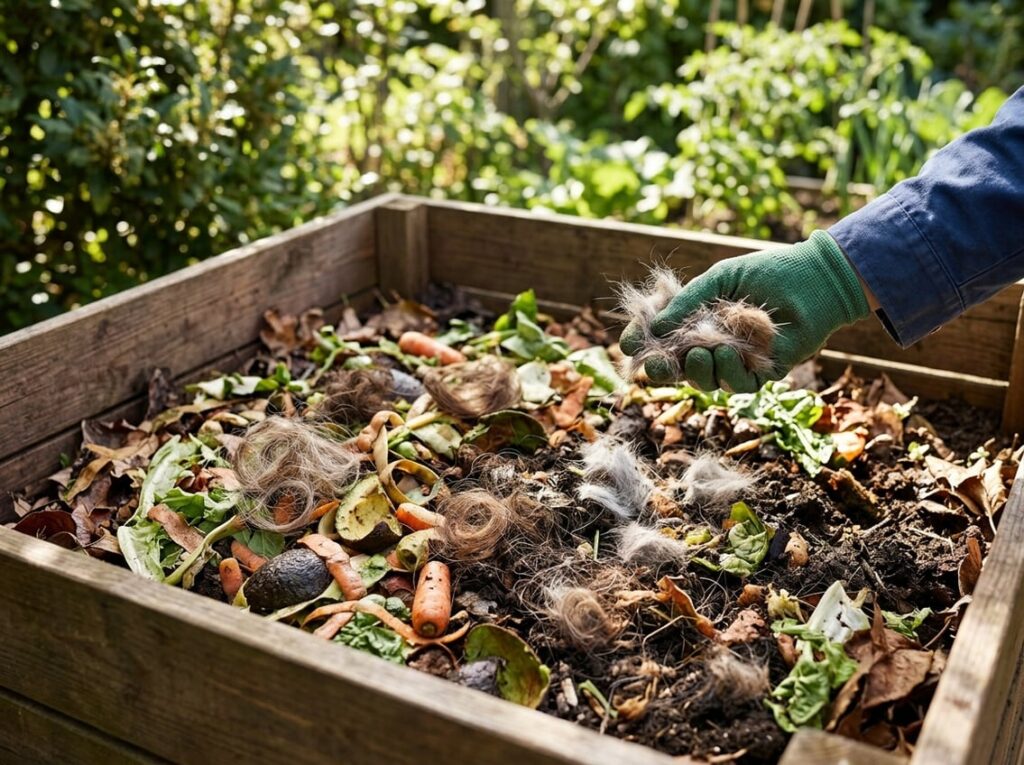
The Surprising Benefits of Composting Hair and Pet Fur
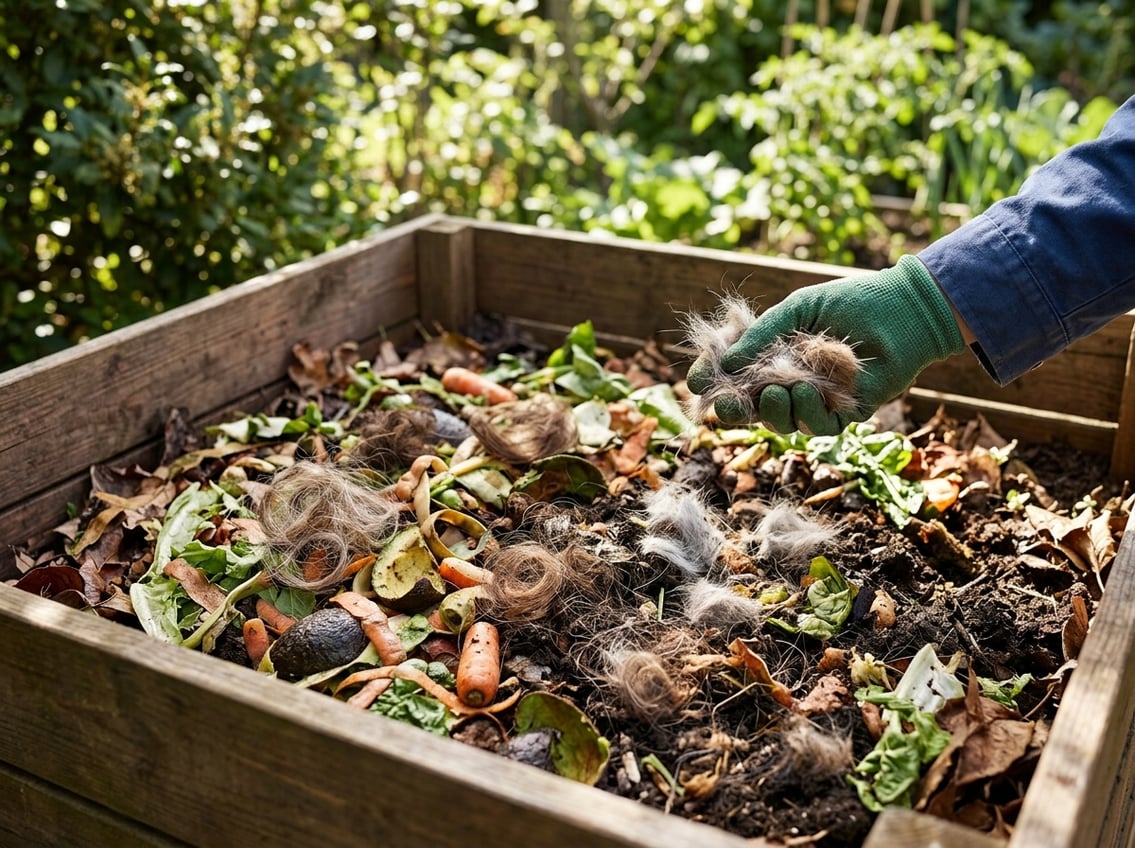
Hair composting is a clever way to turn waste into a garden resource. When you toss hair in your compost, it breaks down slowly and releases nitrogen into the soil over several months.
This slow release means your plants get a steady supply of nutrients long after other compost materials have finished decomposing. It’s a bit like giving your garden a time-release vitamin.
Key benefits of recycling hair:
- Nitrogen boost: Hair’s loaded with nitrogen, which plants need for lush, green growth.
- Improved soil structure: The fibers in hair help create air pockets, which is great for roots.
- Better water retention: Hair holds onto moisture, so you might not need to water as often.
- Waste reduction: Composting hair can keep 1-2 pounds of it out of landfills each year.
- Zero cost: Composting pet hair and fur doesn’t require special equipment or purchases.
Adding hair to garden compost is an easy way to cut down on household waste. Tons of hair end up in landfills every year, which is wild when you think about how much it could help your garden.
As hair breaks down, it releases nutrients just like any other organic material. Hair trimmings and pet fur carry trace minerals that support plant health.
These nutrients become available slowly as microorganisms break down the protein structure of hair. You end up with a slow-release fertilizer that keeps working season after season.
Quick Reference Guide: Hair as Compost Material
You can compost several types of hair, and each one behaves a bit differently. Human hair has a 3:1 carbon-to-nitrogen ratio and takes about 1-2 years to break down.
It releases nitrogen slowly, helps soil hold water, and can even deter some pests. Dog and cat fur usually has a ratio between 3:1 and 5:1.
Dog and cat fur breaks down in 2-4 months, so it’s actually faster than human hair. Cat hair is especially fine, which helps activate your compost pile.
Wool has a similar carbon-to-nitrogen ratio and decomposes in 3-6 months. It’s awesome at holding water.
Try to keep hair at just 5-10% of your total compost volume. Mix it with carbon-rich materials to hit a 30:1 ratio overall.
This helps prevent matting and keeps everything breaking down smoothly.
Which Types of Animal Hair Can Be Safely Composted?
Most natural hair and fur work well for composting animal hair, but they all break down at their own pace. You can toss almost any untreated animal hair into your pile.
Dog fur varies a lot. Short, fine fur from breeds like Beagles or Dachshunds decomposes in about 2 months.
Coarser fur from German Shepherds takes 3-4 months. Double-coated breeds like Huskies give you both soft undercoat and tough guard hairs—the undercoat breaks down fast, but the guard hairs hang around longer.
Cat hair is usually fine and breaks down in 2-3 months. It’s easy to collect with a brush or comb.
Because it’s so fine, cat fur doesn’t mat up like other animal hair. Spread it thinly in your compost pile to avoid clumps.
If you’re composting human hair, expect it to take 1-2 years if you leave it whole. The length and texture slow things down.
Salon clippings are a great source as long as they’re free of chemical treatments. Cut human hair into smaller bits before adding it to your pile—it really speeds things up.
Natural animal fibers like sheep wool are fantastic. Wool holds water like a champ and releases nutrients slowly.
Alpaca fiber breaks down within 3-6 months and adds trace minerals to your soil. Horse hair is coarse but adds structure, breaking down in about 4-6 months.
Pet bedding from hamsters, guinea pigs, and rabbits can be composted if it’s made from paper or natural stuff. Hair mixed in adds nitrogen.
This bedding already has a good balance of carbon and nitrogen and usually breaks down in 2-3 months.
You should avoid certain types of hair. Never compost hair treated with dyes, perms, or straighteners—those chemicals aren’t good for your soil.
If your pet’s had flea or tick medication, wait at least two weeks before composting their fur. When in doubt, toss chemically treated hair in the trash instead of risking your compost.
The Science of Hair Decomposition in Compost
Hair is a nitrogen powerhouse in your compost bin. It’s about 15% nitrogen by weight, which is way more than typical food scraps at just 1.5%.
This makes hair rich in nitrogen and classifies it as a “green” material, even if it doesn’t look like it.
Hair’s structure is both a blessing and a curse. It’s mostly keratin, a tough, fibrous protein with strong molecular bonds.
Microorganisms have to work harder to break these bonds compared to softer stuff like veggie peels.
When you add hair to your compost, expect it to break down in 6-12 months if your pile is active. Hair actually starts releasing nutrients before it’s fully gone, especially from the thinner or damaged ends.
Beneficial microorganisms do most of the heavy lifting. Actinomycetes (filamentous bacteria) break down the outer layer first.
Keratinolytic fungi then step in with special enzymes to tackle the keratin protein. These microbes love warm, moist conditions, so keeping your compost in good shape helps hair break down faster.
Because hair is so nitrogen-rich, you need to add plenty of carbon materials. The sweet spot for your carbon-to-nitrogen ratio is around 30:1.
For every handful of hair, toss in lots of “brown” stuff like dried leaves, cardboard, or shredded newspaper. This keeps your composting process humming along and helps prevent odors or slowdowns.
5 Surprising Benefits of Adding Hair to Your Compost Pile
Slow-Release Nitrogen Fertilizer
Hair releases nutrients gradually over several seasons, not all at once. A single round of hair compost can feed plants for 6-12 months or even longer.
This is especially handy for perennials and trees that need consistent nutrition.
Exceptional Water Retention
Hair can soak up and hold ten times its weight in water. When you mix it in your soil, it acts as a moisture sponge.
Beds amended with hair compost are more drought-resistant and use water more efficiently. This is a real plus for sandy soils and during dry summer months.
Natural Pest Deterrent
The scent of human and pet hair can deter some garden pests like rabbits, deer, and rodents. It’s not a magic bullet, but hair-amended soil creates an environment that pests often avoid.
Lots of gardeners notice less damage in beds where they’ve used hair compost.
Zero-Waste Solution
The average household tosses 1-2 pounds of hair every year just from grooming. Composting it shrinks your waste stream and gives you something useful in return.
It’s a simple way to turn what you’d throw away into a resource.
Economic Benefits
Buying organic nitrogen fertilizers costs about $10-15 per pound. If you compost hair, you’re getting $20-30 worth of fertilizer each year for free.
Better soil structure from hair compost can also cut down on your water bill. And if it helps with pests, you might spend less on repellents too.
How to Compost Hair: 5 Effective Methods for Faster Breakdown
Hair takes a while to break down, but you can speed things up with the right tricks. These methods work well for most home compost setups.
The Layer Method is simple and effective. Add thin layers of hair—no thicker than 1 inch—throughout your compost bin instead of dumping it all in one spot.
Cover each layer with 3-4 inches of carbon-rich material like dried leaves or shredded paper. Here’s how to do it:
- Collect hair in a container until you’ve got enough.
- Add a layer of nitrogen-rich stuff like food scraps or grass clippings.
- Sprinkle a thin layer of hair across the top.
- Cover immediately with 3-4 inches of carbon material.
- Moisten if your compost is dry.
- Turn the pile every week or two to prevent matting.
This helps keep the hair from clumping and ensures the microbes can do their job.
The Pre-Treatment Soaking Strategy softens keratin fibers and gets things moving faster. Soak hair in a bucket of warm water with a tablespoon of compost accelerator or finished compost.
Let it sit for 24-48 hours, then strain and add the pre-soaked hair to your compost. You can use the soaking water on your plants, too—it’s packed with nutrients.
This method can reduce decomposition time by 30-40%, especially for human hair and coarse fur.
The Chop and Blend Approach is all about surface area. The smaller the pieces, the quicker they break down.
Use scissors to cut hair into 1-inch bits or smaller. For small batches, you can pulse hair in a dedicated blender with water.
Mix the chopped hair with other compost ingredients before adding to your pile. Chopping hair can make it decompose up to 50% faster.
Worm Bin Integration is surprisingly effective. Vermicomposting with worms gets to work on hair in just 2-3 weeks.
Add hair in very thin layers and always cover with bedding. Keep things moist—worms like it a bit wetter than regular compost.
You’ll probably find some partially decomposed hair in finished vermicompost, but that’s okay. It makes a great seed-starting medium.
The Hair Mat Technique is a creative twist. Dampen a thin layer of hair and press it into a rough mat.
Place it directly around established plants as mulch, then cover lightly with regular mulch for looks. As the hair breaks down, it feeds your plants.
You might want to replace the mats once or twice per growing season, depending on how fast they decompose.
Common Hair Composting Problems and Solutions
Hair won’t break down
If your hair just sits there in the compost for months, it’s probably too dry or the microbes are slacking off. Add water until the pile feels like a wrung-out sponge.
Make sure your compost heats up above 120°F if you’re hot composting. Toss in some finished compost to jumpstart the microbial party.
Clumping issues
Hair loves to mat up into stubborn clumps that barely decompose. Grab a garden fork and break up any clumps you see, mixing them with other materials.
When you add new hair, spread it in super thin layers. Turning the compost every week or two also helps keep clumps from forming.
Chemically treated hair concerns
Permanent dyes, perms, or chemical straighteners? Skip composting that hair. Temporary color that washes out in 8-12 shampoos is usually fine, but wait until it’s gone.
Not sure about a treatment? Honestly, it’s safer to just toss that hair in the trash rather than risk weird chemicals in your garden.
Pet fur with flea treatments
Pet fur with topical flea meds can harm good bugs in your compost. Wait two weeks after applying these treatments before composting pet fur.
If your pet takes oral flea meds, you can compost the fur right away.
Nitrogen overload from excess hair
Too much hair in your compost messes up the nitrogen balance and slows everything down. Keep hair at about 1:10 by volume—so, no more than 10% of your total mix.
Store extra hair in a dry container and add it little by little over time.
Creative Hair Collection Ideas for Consistent Composting
A dedicated container in the bathroom makes hair collection almost effortless. Just put a small jar with a lid next to your sink or shower.
Clean out your hairbrush and grab shower drain hair weekly. A family of four can collect 1-3 tablespoons a week this way.
Pet groomers toss out piles of fur every day. Try visiting a local grooming shop with your own container and ask if you can pick up their clean fur waste weekly.
Tell them you garden and want to use the fur as fertilizer—many are happy to help if you explain the sustainability angle.
Weekly Collection Routine
Pick a day to gather hair from all the brushes and combs in your house. Sunday evenings seem to work for a lot of people.
Clean out every brush and you’ll usually get a tablespoon or two to add to your stash.
Proper Storage Methods
Keep hair dry before you compost it. A paper bag works well, letting moisture escape but keeping hair contained.
For bigger batches, use a plastic container with some holes in the lid for airflow. Store these in your garage or shed, not inside.
Salon Partnerships
Salons can be goldmines for hair if you’re serious about composting. Bring them a container and offer to pick up hair weekly.
Look for salons that use natural products—they’re often on board with sustainability. Ask for only untreated, uncolored hair to keep your compost clean.
You can also compost pet hair from dogs, cats, and rabbits using the same collection tricks. Regular grooming means a steady supply for your garden.
Real Garden Results: Hair Compost Success Stories
Gardeners who test their soil before and after adding hair compost usually see real improvements. Nitrogen levels can jump by 30-40% after just one season.
One gardener in Zone 6 boosted sandy loam nitrogen from 0.15% to 0.21% in a year. That extra nitrogen led to healthier plants.
Plant Growth Comparisons
When you grow plants side by side, the ones in soil with hair compost almost always do better. Tomato plants get about 25% bigger and produce 30% more fruit.
The nutrients in hair break down slowly, feeding your plants all season.
Soil Texture Changes
Clay soils can change a lot after a year of hair composting. As hair breaks down, it creates channels for air and water.
Proteins in hair help soil particles stick together in better clumps. Digging in previously compacted soil becomes way easier.
Water Retention Benefits
Your garden will stay moist longer with hair compost. Gardens amended with hair compost need about 20-30% less watering.
A community garden in Zone 8 found their treated beds stayed moist for 5-6 days, while untreated ones needed water every 3-4 days in summer.
What Gardeners Report
Maria S. from Zone 5b says: “I’ve been adding my family’s hair and our dogs’ fur to our compost for three years now. My tomatoes are so much more resilient during dry spells and keep producing until frost.”
James T., a Zone 7 landscaper, shares: “I’ve started collecting hair from clients’ pets during maintenance visits. The perennial beds with hair compost just look better and need less fertilizer.”
Hair Composting FAQ: Quick Answers to Common Questions
How long does composting hair take?
Human hair takes about 1-2 years to break down if you leave it whole. Cut it up and you can speed things up to 6-12 months.
Pet fur breaks down faster—usually 2-4 months—since it’s shorter and has a different structure.
Can you compost dog hair treated with flea products?
Wait at least two weeks after topical flea treatments before composting pet hair. If your dog takes oral meds, the fur is safe to compost right away.
Does dyed or treated hair work in compost?
Temporary styling products wash out easily and won’t mess up your compost. Avoid hair with permanent dyes, perms, or straighteners—those can bring in unwanted chemicals.
Will hair attract pests to your bin?
Hair doesn’t usually attract pests. In fact, human or predator hair can actually keep small mammals away from your compost.
Still, it’s smart to bury hair under other materials just in case.
What’s the best collection method for pet hair?
Brush pets outdoors over your garden bed or compost pile if you can. Indoors, use a dedicated container and empty it weekly.
De-shedding tools grab more fur than regular brushes.
Can you add too much hair?
Yep. Keep hair at no more than 5-10% of your total compost. Too much hair causes ammonia smells and stubborn mats.
Balance hair with plenty of carbon-rich stuff, aiming for a 1:10 ratio.
Frequently Asked Questions
Is pet fur safe to add to a home compost pile?
Yes, pet fur is fine for your home compost pile. Animal hair can be composted with other organic materials.
Hair’s made of keratin, so it breaks down naturally over time.
You can toss in fur from dogs, cats, and other pets without worry. It adds to your compost mix just like other organic matter.
How long does pet hair typically take to break down in compost?
Pet hair takes a few months to break down. The exact time depends on how you manage your compost.
Hair breaks down slower than food scraps or leaves. You can speed things up by:
- Cutting the hair into smaller pieces
- Mixing it well with other compost materials
- Keeping your pile at the right temperature and moisture
In a well-managed pile, hair usually decomposes within 1 to 2 years.
Should pet hair be mixed with other materials to compost properly?
Absolutely, always mix pet hair with other compost materials. Hair alone doesn’t make good compost.
Mix hair well with other compostable stuff like veggie scraps and leaves. This keeps your carbon-to-nitrogen balance right.
Since hair is high in nitrogen, balance it with things like:
- Dry leaves
- Cardboard
- Sawdust
- Straw
Add small amounts of hair at a time—don’t dump in big clumps.
Can pet hair attract pests or create odors in a compost bin?
Pet hair itself doesn’t usually attract pests or cause odors if you compost it right. The key is mixing and turning your pile.
Problems pop up if you add too much hair or don’t mix it in. Big mats of hair can:
- Block airflow
- Stay wet and go anaerobic
- Slow down the whole process
To avoid that, spread hair thinly and turn the pile often. Keep a good mix of wet and dry materials.
Is it acceptable to place pet hair in a municipal green bin program?
That depends on your local rules. Many municipal composting programs don’t take pet hair in green bins.
Check with your city or county waste management. Some places have the right equipment, others don’t.
Best bet: call your local department or check their website for what they accept.
Are there any health or contamination concerns with composting hair from groomed animals?
Pet hair from healthy, groomed animals is usually safe to compost. Still, there are a few things to watch out for.
Don’t compost hair from animals that are sick or have infections. It’s also best to skip hair from pets being treated with topical medications.
If your pet’s had recent flea or tick treatments, hold off. Chemicals from these products can stick around and might not break down in your compost pile.
I’d wait at least a few weeks after any treatments before tossing the hair in. Hair from barber shops or salons works too, as long as it’s from healthy folks.